 Alex Jhon
23 hours ago in Business Services
Alex Jhon
23 hours ago in Business Services
High Authority Social Bookmarking Site for Australian SEO in 2026 - A2Bookmarks Australia
Welcome to A2Bookmarks Australia, your premier high-authority social bookmarking site designed for effortless content submission and visibility down under. Our platform offers a trusted, dedicated network for Australians to easily save, manage, and share their favorite web pages and URLs. As one of the most reliable Australian social bookmarking sites in 2026, we ensure your content stays relevant and indexed. Whether you're a business owner seeking to boost your local online visibility or an SEO professional needing quality link submission tools, A2Bookmarks is the solution. Instantly increase your brand authority and build meaningful Australian backlinks by submitting your content directly through our verified, active network. Connect with our community, utilize powerful bookmarking tools, and boost your digital presence with confidence. Optimize your content reach and SEO performance with targeted social bookmarking tailored for Australian audiences. Start submitting your links today!
How Coin Laundry Equipment Installation Works in Australia ninaslaundry.com.au
Alex Jhon
23 hours ago in Business Services
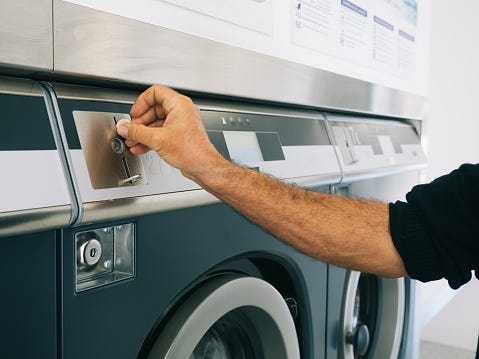
Anyone who’s walked into a brand-new laundromat and thought “this looks easy enough” hasn’t seen what happens behind the walls. The reality is that installing coin laundry equipment in Australia is a tight mix of compliance, plumbing, power, and practical experience. Get it right and the machines quietly print money. Get it wrong and you’re dealing with leaks, downtime, and council headaches before the first load even spins.
Here’s the short answer upfront: coin laundry equipment installation is a staged process. It starts with site checks and approvals, moves through utilities and machine fit-out, and finishes with commissioning and compliance sign-off. Each step matters, especially under Australian standards.
How does coin laundry equipment installation actually work?
Installation usually follows a predictable flow, whether you’re fitting out a suburban laundromat or a shared laundry in an apartment block.
The typical stages look like this:
-
Site assessment and feasibility checks
-
Utility upgrades (power, water, drainage, gas if needed)
-
Machine delivery and positioning
-
Connection, testing, and calibration
-
Compliance and handover
Miss one step and the whole thing can stall. Anyone who’s had a washer arrive before the slab has cured knows how fast timelines blow out.
What needs to be checked before installation starts?
Before a single machine turns up, experienced installers will walk the site with a critical eye. This part saves money later.
Key checks usually include:
-
Floor loading and slab thickness for commercial machines
-
Access points for delivery and future servicing
-
Existing electrical capacity and phase availability
-
Water pressure, flow rates, and drainage fall
-
Ventilation pathways for dryers
In older Australian buildings, power supply is often the first constraint. Many sites still run on single-phase power that simply won’t support multiple commercial dryers without an upgrade.
What Australian standards apply to coin laundry installations?
Australia is strict on safety and compliance, and for good reason. Commercial laundries combine water, electricity, heat, and public access.
Installations typically need to align with:
-
Electrical standards under AS/NZS 3000
-
Plumbing requirements set by state authorities
-
Ventilation rules for commercial dryers
-
Workplace health and safety obligations
Most councils also require trade sign-offs before issuing final occupancy or operation approvals. The Australian Government’s guidance on workplace safety provides a useful baseline for operators and installers alike:
Safe Work Australia – Managing risks
This is where authority matters. Installers who’ve done dozens of Australian laundries already know the inspectors, the common red flags, and how to avoid rework.
How are machines positioned and connected?
Once utilities are ready, machines are delivered and positioned with millimetre-level precision. Commercial washers can weigh hundreds of kilos, so levelling isn’t cosmetic — it directly affects vibration, bearing life, and noise complaints.
During this stage:
-
Machines are anchored or stabilised as required
-
Water lines are pressure-tested before final connection
-
Drainage is checked for backflow and overflow risk
-
Electrical connections are load-tested, not just powered on
Anyone who’s tried to fix vibration after opening day knows it’s far harder once customers are already using the space.
Why commissioning matters more than people think
Commissioning is where good installs separate themselves from rushed ones. Every machine is run under load, payment systems are tested, and safety cut-outs are verified.
A proper commissioning process includes:
-
Test cycles for washers and dryers
-
Coin or payment validation checks
-
Emergency stop and door lock testing
-
Temperature and water level calibration
This step also builds commitment and consistency. Once owners see everything working smoothly, they’re far more likely to stick with the same service partner for maintenance and future upgrades.
What problems show up when installation is rushed?
Rushed installs cost more in the long run. Full stop.
Common issues seen across Australian laundries include:
-
Poor drainage causing slow cycles or overflows
-
Undersized electrical feeds tripping under peak load
-
Inadequate dryer ventilation leading to heat shutdowns
-
Machines installed too close together for servicing access
Loss aversion kicks in quickly here. Every hour a machine is down feels like money disappearing, even if the original “saving” came from cutting corners on install.
How long does a typical installation take?
For a straightforward site with existing services, installation can be completed in a few days once machines arrive. New builds or major refurbishments can take several weeks, especially if power upgrades or council approvals are involved.
Anyone who’s tried to open before school holidays knows timing matters. Scarcity isn’t just about machine availability — it’s about lost trading windows.
Who should be involved in the process?
The smoothest projects usually involve:
-
A specialist coin laundry equipment installer
-
Licensed electricians and plumbers
-
The site owner or operator
-
Council or strata representatives where required
This shared responsibility builds unity around the outcome. Everyone wants the same thing: machines that run reliably without surprises.
Frequently asked questions
Do installers supply the machines as well?
Sometimes. Some installers handle supply and install, while others work with owner-supplied machines. Coordination matters either way.
Can existing laundries upgrade without closing?
Yes, staged installations can keep parts of the laundry running, though it takes planning.
Is preventative maintenance discussed during install?
Good installers will flag service intervals and common wear points before handover.
A practical way to think about installation
After years around commercial laundries, one thing stands out. Installation isn’t about bolting machines to the floor. It’s about setting behaviour — how the equipment runs, how customers experience the space, and how often owners get called out after hours.
For operators wanting a clearer picture of how professional setups are handled in real commercial environments, this overview of coin laundry equipment in active service shows what well-planned installations support long-term reliability:
coin laundry equipment
The machines might do the washing, but it’s the installation that decides whether the business runs smoothly or constantly feels like it’s on the back foot.
voters
Report Story 
Related Stories










Recent Stories