 kristina Josheb
7 months ago in Business Services
kristina Josheb
7 months ago in Business Services
High Authority Social Bookmarking Site for Australian SEO in 2026 - A2Bookmarks Australia
Welcome to A2Bookmarks Australia, your premier high-authority social bookmarking site designed for effortless content submission and visibility down under. Our platform offers a trusted, dedicated network for Australians to easily save, manage, and share their favorite web pages and URLs. As one of the most reliable Australian social bookmarking sites in 2026, we ensure your content stays relevant and indexed. Whether you're a business owner seeking to boost your local online visibility or an SEO professional needing quality link submission tools, A2Bookmarks is the solution. Instantly increase your brand authority and build meaningful Australian backlinks by submitting your content directly through our verified, active network. Connect with our community, utilize powerful bookmarking tools, and boost your digital presence with confidence. Optimize your content reach and SEO performance with targeted social bookmarking tailored for Australian audiences. Start submitting your links today!
Is coaching regulated in Australia? austswim.com.au
kristina Josheb
7 months ago in Business Services
Coaching in Australia sits in an unusual spot: it’s highly influential, widely practised, but only partly regulated. Unlike law or medicine, coaching as a general industry (life coaching, executive coaching, personal coaching) isn’t overseen by a single national regulator. Instead, regulation comes indirectly—through industry bodies, professional standards, and, in some cases, sport-specific accreditation.
Is coaching regulated in Australia?
The short answer: there is no government-mandated licence to call yourself a “coach” in Australia. Anyone can technically use the title. But regulation does creep in depending on the type of coaching:
-
Life & Business Coaching: Self-regulated by associations like the International Coach Federation (ICF) and the International Association of Coaching (IAC). Membership signals credibility but isn’t legally required.
-
Health & Wellness Coaching: Some overlap with health professions. Coaches must avoid crossing into territory reserved for registered practitioners (e.g., dietitians, psychologists).
-
Sports Coaching: The most tightly regulated. For example, Swimming Australia and other sporting bodies require coaches to complete accredited training, first aid, and child-safety checks before they can work with athletes.
In other words, the title “coach” is unregulated, but the practice can fall under strict rules if it touches health, safety, or sport.
Who regulates sports coaching?
Sports coaching is overseen by national sporting organisations (NSOs), often under the umbrella of Sport Integrity Australia. Accreditation frameworks include:
-
NCAS (National Coaching Accreditation Scheme) – sets competency standards across many sports.
-
Child-Safe Standards – Working With Children Check is mandatory nationwide.
-
Sport-Specific Pathways – Swimming Australia, Cricket Australia, and the AFL all have their own tiered coaching systems.
So, while life coaching runs on reputation and voluntary credentials, sports coaching is tied directly to compliance, insurance, and duty-of-care obligations.
Why isn’t life coaching regulated?
Three reasons explain the lack of government oversight:
-
Low barrier to entry – coaching doesn’t require medical knowledge or legal responsibility.
-
Market-driven quality – clients rely on word-of-mouth, testimonials, and associations as signals of trust.
-
Global practice – much of the coaching industry borrows from US/UK models, where regulation is equally light.
This makes coaching a case study in behavioural economics: people rely heavily on social proof (testimonials, referrals) and authority cues (certifications, published frameworks) when deciding whom to trust.
What risks exist in unregulated coaching?
The grey zone means consumers need to be cautious:
-
Overpromising results – without regulation, there’s little recourse if a coach exaggerates outcomes.
-
Health risks – wellness coaches may unintentionally step into medical advice without qualifications.
-
Financial exposure – some executive coaching programs cost thousands without guarantees.
This lack of guardrails is why many Australians prefer accredited coaches linked to professional bodies.
FAQs
Is coaching a recognised profession in Australia?
Not legally, but coaching is widely accepted across corporate, education, and sports contexts. Recognition comes through associations and qualifications rather than government regulation.
Do sports coaches need accreditation?
Yes. Most national sporting bodies require coaches to complete formal training and keep their accreditation current.
Can anyone call themselves a coach?
Yes. Unless you’re operating in a regulated sector (like health or child-related sport), the title isn’t protected.
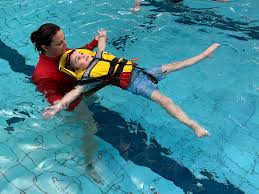
In sport, regulation ensures safety and fairness. In life or business coaching, reputation fills that gap. And if you’re curious about formal pathways, especially in aquatics, exploring a recognised swim coaching course can show how structured accreditation systems work.
voters
Report Story 
Related Stories











Recent Stories