 Andy Gibson
3 months ago in Business Services, Home Services
Andy Gibson
3 months ago in Business Services, Home Services
High Authority Social Bookmarking Site for Australian SEO in 2026 - A2Bookmarks Australia
Welcome to A2Bookmarks Australia, your premier high-authority social bookmarking site designed for effortless content submission and visibility down under. Our platform offers a trusted, dedicated network for Australians to easily save, manage, and share their favorite web pages and URLs. As one of the most reliable Australian social bookmarking sites in 2026, we ensure your content stays relevant and indexed. Whether you're a business owner seeking to boost your local online visibility or an SEO professional needing quality link submission tools, A2Bookmarks is the solution. Instantly increase your brand authority and build meaningful Australian backlinks by submitting your content directly through our verified, active network. Connect with our community, utilize powerful bookmarking tools, and boost your digital presence with confidence. Optimize your content reach and SEO performance with targeted social bookmarking tailored for Australian audiences. Start submitting your links today!
How to Organize a Houseware Pallet Warehouse by Product Fragility palletsflow.com
Andy Gibson
3 months ago in Business Services, Home Services
Introduction
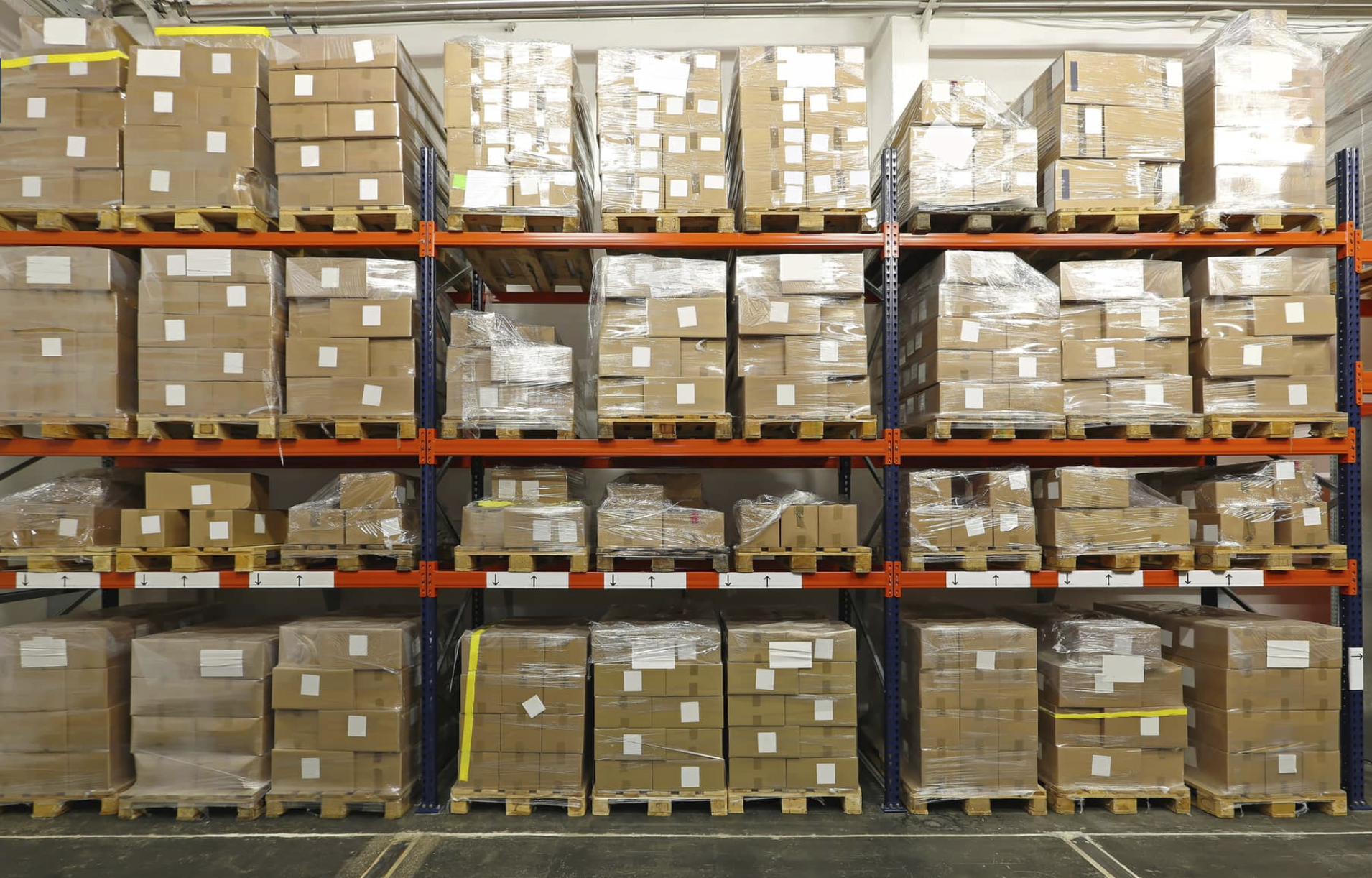
Organizing a warehouse that stores houseware pallets requires more than simply assigning shelf space. Houseware products often include a wide range of items, from durable cookware to delicate glassware and ceramic decorations. Because these products vary in weight, size, and fragility, a well-planned storage system helps improve inventory management while reducing the risk of damage.
This is especially important when managing mixed houseware inventory, including pallets received through liquidation channels such as Amazon liquidation pallets. Since these pallets frequently contain a variety of products in a single shipment, organizing inventory according to product fragility can make warehouse operations more efficient.
This guide explains practical methods for organizing houseware pallet inventory while protecting fragile items and improving workflow.
Why Product Fragility Matters
Not every household item can be stored the same way. Heavy kitchen appliances, plastic containers, decorative glassware, mirrors, and ceramic products each require different handling methods.
Organizing inventory according to fragility helps:
- Reduce accidental breakage
- Improve warehouse safety
- Speed up picking and packing
- Make inventory easier to locate
- Support more efficient storage planning
A fragility-based storage system also makes it easier to train warehouse staff on proper handling procedures.
Create Fragility Categories
The first step is dividing products into simple handling categories.
High Fragility
These items require the greatest level of protection.
Examples include:
- Glassware
- Ceramic dishes
- Mirrors
- Picture frames
- Decorative vases
- Porcelain items
Store these products in secure areas where heavy equipment and frequent traffic are limited.
Medium Fragility
These products are moderately durable but still require careful handling.
Examples include:
- Small kitchen appliances
- Lamps
- Plastic storage containers with delicate components
- Coffee makers
- Table lamps
These pallets should remain stable and should not support excessive weight.
Low Fragidity
Durable products generally tolerate normal warehouse handling.
Examples include:
- Metal cookware
- Plastic bins
- Storage baskets
- Cleaning buckets
- Kitchen organizers
These items can usually be stacked more efficiently while still following warehouse safety guidelines.
Design Separate Storage Zones
Organizing warehouse space into dedicated fragility zones makes inventory easier to manage.
For example:
- Zone A: High-fragility products
- Zone B: Medium-fragility products
- Zone C: Durable household goods
Clearly marked warehouse zones help employees quickly identify where incoming pallets belong while reducing unnecessary movement.
Store Heavy Pallets on Lower Levels
Heavy pallets should always be placed on lower rack levels whenever possible.
This provides several advantages:
- Greater rack stability
- Reduced lifting risks
- Lower chance of products falling
- Easier access for forklifts
Fragile pallets should generally be stored above heavy industrial goods only when proper rack design supports safe storage.
Use Clear Pallet Labels
Every pallet should display labels that identify both its contents and handling requirements.
Useful label information includes:
- Product category
- Fragility level
- Storage location
- Handling instructions
- Inventory identification number
Visible labels reduce picking errors and improve warehouse organization.
Minimize Unnecessary Pallet Movement
Frequent pallet movement increases the likelihood of accidental impacts and damaged products.
To reduce handling:
- Assign permanent storage locations.
- Plan efficient travel routes.
- Consolidate inventory movements whenever possible.
- Record every pallet relocation immediately.
Reducing unnecessary movement helps maintain accurate inventory records while protecting delicate items.
Train Employees on Safe Handling
Warehouse organization depends on consistent handling practices.
Employees should understand:
- Proper lifting techniques
- Safe forklift operation around fragile inventory
- Correct pallet stacking methods
- Procedures for reporting damaged products
- Warehouse safety guidelines
Regular training helps maintain consistent handling standards throughout daily operations.
Perform Routine Warehouse Inspections
Warehouse layouts naturally change as inventory moves in and out. Regular inspections help ensure fragile products remain stored correctly.
Routine inspections should verify:
- Pallet stability
- Rack condition
- Label readability
- Safe aisle clearance
- Proper storage locations
Addressing small issues early helps prevent larger inventory problems later.
voters
Report Story Related Stories










Recent Stories