 kristina Josheb
1 year ago in Education & Training
kristina Josheb
1 year ago in Education & Training
High Authority Social Bookmarking Site for Australian SEO in 2026 - A2Bookmarks Australia
Welcome to A2Bookmarks Australia, your premier high-authority social bookmarking site designed for effortless content submission and visibility down under. Our platform offers a trusted, dedicated network for Australians to easily save, manage, and share their favorite web pages and URLs. As one of the most reliable Australian social bookmarking sites in 2026, we ensure your content stays relevant and indexed. Whether you're a business owner seeking to boost your local online visibility or an SEO professional needing quality link submission tools, A2Bookmarks is the solution. Instantly increase your brand authority and build meaningful Australian backlinks by submitting your content directly through our verified, active network. Connect with our community, utilize powerful bookmarking tools, and boost your digital presence with confidence. Optimize your content reach and SEO performance with targeted social bookmarking tailored for Australian audiences. Start submitting your links today!
Is being a swimming teacher hard? storage.googleapis.com
kristina Josheb
1 year ago in Education & Training
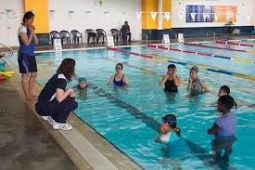
There’s a reason the pool deck always seems busy, and it’s not just the splash and chatter of eager swimmers. Behind the scenes, swim teachers juggle more than just floaties and freestyle drills. So, is being a swimming teacher hard? Yes — but not in the way you might think.
This role demands more than knowing your strokes. It’s a blend of patience, emotional intelligence, and water-safe leadership. It’s challenging — but deeply rewarding.
Let’s wade into the reality of life as a swim teacher in Australia.
Is Being a Swimming Teacher Physically Demanding?
Anyone who’s taught lessons during back-to-back holiday intensives knows — your arms, voice, and patience will be put to the test.
Physical stamina is crucial. You’re in and out of the pool multiple times a day, often supporting learners with different physical abilities. The water keeps you cool, sure — but it doesn’t stop fatigue. And while it’s not heavy lifting in the gym sense, standing, squatting, demonstrating strokes, and managing a slippery environment puts strain on your body.
Plus, the pool environment itself adds to the challenge:
-
Warm, humid conditions can sap energy.
-
Constant noise from students, parents, and splashing water.
-
Chemical exposure (chlorine) that might irritate skin or eyes if not managed properly.
That said, seasoned swim teachers develop routines, micro-breaks, and hydration strategies that make it sustainable.
What Mental Skills Do Swim Teachers Need?
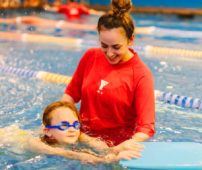
You’re not just teaching movement — you’re teaching confidence.
Many kids arrive afraid of the water. Others are overconfident and need gentle guidance toward safety. Adults may carry trauma from a bad experience. Swim teachers wear multiple hats:
-
Coach
-
Cheerleader
-
Psychologist (armchair version)
-
Safety enforcer
Emotional resilience is a must. You’ll manage everything from tears to tantrums. And the real challenge? Staying upbeat and encouraging through all of it. This is where Cialdini’s principle of Liking kicks in. If students enjoy being around you, they’re more likely to commit and stay consistent.
Great swim teachers also apply behavioural nudges. Want a child to repeat a drill? Pair it with a fun game. Need an adult learner to float calmly? Frame the task as a challenge, not a risk. It’s subtle psychology — and it works.
How Hard Is It to Become a Qualified Swim Teacher in Australia?
The good news? It’s not overly complex, but it does require genuine commitment. Here’s the typical path:
-
Attend a swim teacher course (often nationally accredited through organisations like AUSTSWIM or Swim Australia).
-
Complete practical assessments, often involving live teaching under supervision.
-
Gain or provide current First Aid and CPR certifications.
-
Secure a Working with Children Check (mandatory in all states).
-
Undergo ongoing professional development, especially around safety, inclusion, and new teaching methods.
The challenge lies not in the paperwork, but in internalising best practices. A piece of paper doesn’t make a swim teacher — skill does.
If you’re curious about the journey, this resource on becoming a swim coach in Australia outlines the steps, from certification to career growth.
Is the Pay Worth the Effort?
This depends on how you define “worth.”
Most swim teachers in Australia earn between $28 to $45 per hour, depending on experience, location, and whether it’s casual or full-time work.
That might sound appealing — but remember:
-
Shifts are often seasonal or part-time.
-
Split shifts (mornings + afternoons) are common.
-
Work is usually tied to school terms and holiday programs.
On the upside, many swim teachers build this into broader careers — PE teaching, aqua therapy, coaching, or aquatic centre management. It’s a strong launchpad if you love the water and helping people.
And here’s a nudge from Cialdini’s principle of Reciprocity — many swim schools offer paid training or mentorship in exchange for long-term commitment.
What Challenges Are Unique to Teaching Swimming in Australia?
Australia’s swim culture runs deep — but that also brings pressure. With high drowning statistics, parents expect fast progress. That can add stress for both learner and teacher.
Regional differences also play a role. In metro areas, swim teachers may juggle large class sizes and diverse cultural backgrounds. In rural regions, access to facilities and consistent training can be a challenge.
There’s also the unpredictability of teaching in a post-COVID landscape:
-
Fluctuating demand
-
Staffing shortages
-
Increased hygiene protocols
Experienced instructors adapt by maintaining strong routines, clear communication, and flexibility.
Is Teaching Swimming Emotionally Fulfilling?
Absolutely.
Few jobs let you witness real transformation like this. That terrified five-year-old who wouldn’t let go of the lane rope? They’re now diving for rings. That adult learner who cried in lesson one? They’re confidently swimming laps six months later.
You get a front-row seat to resilience, grit, and joy.
One swim teacher of 15 years puts it like this:
“I’ve had kids with disabilities who were told they’d never swim. A year later, they’re doing laps. Parents cry, I cry. You don’t forget those moments.”
It’s not all warm fuzzies. Some days are draining. Some students challenge every ounce of your patience. But over time, these moments stack up and shape you as an educator — and a human.
Is There Room for Career Growth?
Yes — but you’ll need initiative.
While some stay content teaching learn-to-swim classes, others move into:
-
Squad coaching
-
Facility management
-
Training new instructors
-
Specialising in disability or adult learn-to-swim programs
You might even explore roles in aquatic therapy, water safety policy, or education outreach.
Those with long-term vision tend to combine experience + formal qualifications to stand out.
FAQ: Swim Teaching in Australia
How long does it take to become a swim teacher?
Most certification programs take 2–6 weeks, including theory and practical assessments. Add time for First Aid and CPR if not already certified.
Do you need to be a strong swimmer to teach?
Yes — but you don’t need to be Olympic-level. Confidence, stamina, and safe technique matter most.
Can swim teachers work full-time?
Yes, but many begin part-time. Full-time roles often come with added duties (like admin or coaching squads).
Final Thoughts
So, is being a swimming teacher hard? Yes — but in the best possible way. It’s physically active, emotionally charged, and mentally stimulating. The challenges are real, but so are the rewards.
You won’t just teach people how to swim. You’ll teach them how to trust themselves in the water — and that’s a skill they carry for life.
And if you’re thinking about the first step, enrolling in a swim teacher course could be the beginning of something deeply meaningful.
For further reading on water safety statistics and teacher resources, the Royal Life Saving Society is a trusted and up-to-date source.
voters
Report Story 
Related Stories






Recent Stories