 kristin jhone
1 year ago in Business Services
kristin jhone
1 year ago in Business Services
High Authority Social Bookmarking Site for Australian SEO in 2026 - A2Bookmarks Australia
Welcome to A2Bookmarks Australia, your premier high-authority social bookmarking site designed for effortless content submission and visibility down under. Our platform offers a trusted, dedicated network for Australians to easily save, manage, and share their favorite web pages and URLs. As one of the most reliable Australian social bookmarking sites in 2026, we ensure your content stays relevant and indexed. Whether you're a business owner seeking to boost your local online visibility or an SEO professional needing quality link submission tools, A2Bookmarks is the solution. Instantly increase your brand authority and build meaningful Australian backlinks by submitting your content directly through our verified, active network. Connect with our community, utilize powerful bookmarking tools, and boost your digital presence with confidence. Optimize your content reach and SEO performance with targeted social bookmarking tailored for Australian audiences. Start submitting your links today!
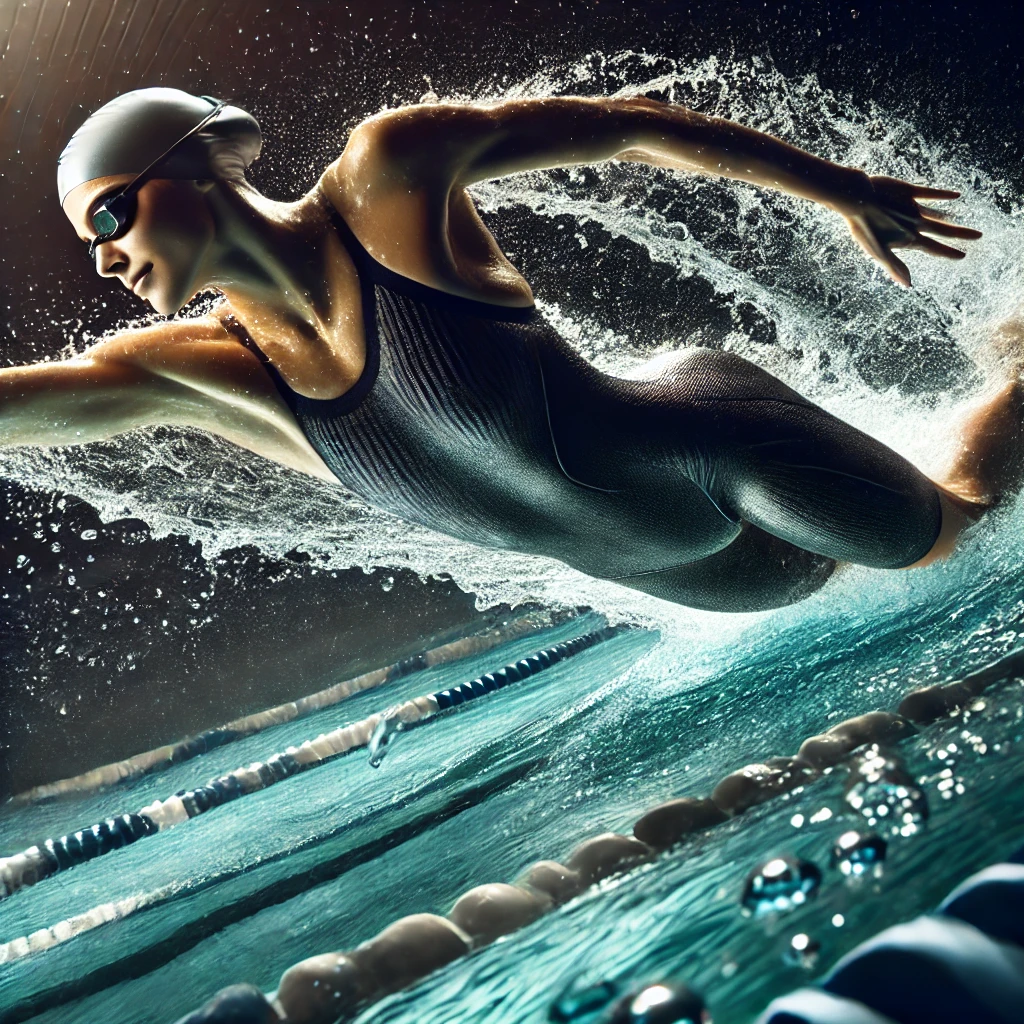
Master Competitive Swimming Techniques austswim.com.au
kristin jhone
1 year ago in Business Services
Competitive swimming is more than just speed—it’s about precision, efficiency, and endurance. Whether you’re an aspiring athlete, a seasoned competitor, or simply looking to improve your swimming performance, mastering the right techniques can make all the difference.
This guide breaks down essential techniques, strategies, and tips to help you swim faster, more efficiently, and with confidence. Ready to dive in? Let’s go!
Why Technique Matters in Competitive Swimming
Speed alone won’t get you to the finish line first. The best swimmers excel because of efficiency, endurance, and technique. Here’s why proper technique is crucial:
Reduces Drag: A streamlined body position minimizes water resistance.
Improves Efficiency: Proper strokes and kicks conserve energy.
Prevents Injury: Correct form helps avoid strain on the shoulders, knees, and back.
Enhances Endurance: Effective breathing and stroke mechanics help maintain power throughout the race.
Mastering these elements allows you to swim smarter, not just harder.
1. Perfecting Your Body Position
Your body position is the foundation of all swimming strokes. The goal is to stay horizontal and streamlined to reduce drag.
Key Tips for a Streamlined Body Position:
- Keep your head in a neutral position—looking straight down instead of forward.
- Engage your core muscles to keep your hips high in the water.
- Avoid excessive kicking or arm movement that disrupts balance.
- Maintain a long, straight bodyline with minimal resistance.
Pro Tip: Imagine your body as a torpedo slicing through the water—long, straight, and efficient.
2. Mastering the Four Competitive Strokes
Each stroke has its own mechanics, but they all share common principles: rhythm, balance, and efficiency.
Freestyle (Front Crawl)
Freestyle is the fastest and most commonly used stroke in competition.
Arm Technique: Maintain a high elbow during the recovery phase, fully extending your arm before pulling through the water.
Kick Efficiency: Use a flutter kick with small, controlled movements from the hips, not the knees.
Breathing Strategy: Breathe every 2-3 strokes while keeping one ear in the water to maintain balance.
Drill to Try: Catch-Up Drill—Swim using one arm at a time, ensuring full extension and rotation before switching.
Backstroke
Backstroke requires strong coordination and a straight body position.
Arm Technique: Keep your arms straight and rotate your shoulders for a more powerful pull.
Leg Movement: Use a flutter kick to propel forward, keeping your feet close to the surface without breaking the water too much.
Breathing Tip: Since your face remains out of the water, maintain steady, rhythmic breathing.
Drill to Try: Six-Kick Switch Drill—Kick six times on one side before switching arms. This helps improve balance and body rotation.
Breaststroke
Breaststroke is all about timing and efficiency.
Arm Movement: Perform a scoop-like motion, sweeping outward, then inward toward your chest.
Kick Technique: Use a powerful whip kick, keeping your knees close together and your feet flexed outward.
Timing: Your pull, kick, and glide should be synchronized to maintain momentum.
Drill to Try: Pull & Glide Drill—Focus on a strong pull followed by an extended glide before kicking. This improves efficiency.
Butterfly
Butterfly is the most demanding stroke, requiring strength and precise timing.
Arm Stroke: Both arms move together in a circular motion, pulling powerfully through the water.
Dolphin Kick: Keep your legs together and generate a wave-like motion from your hips.
Breathing Pattern: Breathe every second or third stroke, lifting your head only slightly to avoid drag.
Drill to Try: One-Arm Butterfly Drill—Swim using only one arm while the other remains at your side. This improves stroke control and balance.
3. Mastering Turns and Starts
Competitive swimming isn’t just about strokes—it’s also about how well you start and turn. A great start and quick turns can shave seconds off your time.
Explosive Starts
Position: Keep your feet shoulder-width apart on the starting block.
Launch: Drive forward using your legs and core, entering the water in a tight, streamlined position.
Breakout: Transition smoothly from the dive into your stroke without hesitation.
Fast Flip Turns (Freestyle & Backstroke)
Approach: Maintain speed as you reach the wall.
Tuck & Rotate: Perform a quick tuck, using your core to flip feet-first onto the wall.
Push-Off: Push off in a streamlined position, gliding underwater before resurfacing.
Open Turns (Breaststroke & Butterfly)
Touch the Wall: Reach out with both hands simultaneously.
Tuck & Rotate: Pull your knees in and pivot quickly.
Push Off: Extend your body and glide before resuming the stroke.
Pro Tip: The faster and smoother your turns, the more momentum you maintain!
4. Developing Race-Day Strategies
Swimming fast is one thing—swimming smart is another. Here’s how to maximize your performance in competition.
Pacing & Strategy
Sprint Events (50m, 100m): Go all out from the start, maintaining maximum effort.
Mid-Distance (200m, 400m): Build speed gradually, saving energy for a strong finish.
Distance Events (800m, 1500m): Find a sustainable rhythm and kick harder in the final stretch.
Mental Preparation
Visualize Success: Picture yourself executing each stroke, turn, and finish flawlessly.
Stay Focused: Ignore distractions and trust your training.
Control Nerves: Deep breathing and positive affirmations help keep you calm before a race.
5. Strength & Conditioning for Swimmers
Dryland training is just as important as pool training. Strength, flexibility, and endurance play a huge role in performance.
Key Dryland Exercises for Swimmers:
Core Work: Planks, Russian twists, and leg raises for stability.
Upper Body: Pull-ups, resistance band rows, and push-ups for arm strength.
Lower Body: Squats and lunges for powerful kicks.
Flexibility Training: Yoga and dynamic stretches to improve mobility.
Conclusion: Train Smarter, Swim Faster
Mastering competitive swimming techniques isn’t just about working harder—it’s about training smarter. By perfecting your strokes, improving starts and turns, building endurance, and strengthening your body, you’ll gain the edge needed to dominate the pool.
Final Takeaways:
Focus on technique before speed.
Train with purpose—use drills to refine movements.
Develop a race strategy that plays to your strengths.
Stay consistent—progress takes time and dedication.
Now it’s your turn! What’s the biggest challenge you face in competitive swimming? Drop a comment below, and let’s discuss!
voters
Report Story 
Related Stories












Recent Stories