 Mariya Jhon
10 months ago in Other Services
Mariya Jhon
10 months ago in Other Services
High Authority Social Bookmarking Site for Australian SEO in 2026 - A2Bookmarks Australia
Welcome to A2Bookmarks Australia, your premier high-authority social bookmarking site designed for effortless content submission and visibility down under. Our platform offers a trusted, dedicated network for Australians to easily save, manage, and share their favorite web pages and URLs. As one of the most reliable Australian social bookmarking sites in 2026, we ensure your content stays relevant and indexed. Whether you're a business owner seeking to boost your local online visibility or an SEO professional needing quality link submission tools, A2Bookmarks is the solution. Instantly increase your brand authority and build meaningful Australian backlinks by submitting your content directly through our verified, active network. Connect with our community, utilize powerful bookmarking tools, and boost your digital presence with confidence. Optimize your content reach and SEO performance with targeted social bookmarking tailored for Australian audiences. Start submitting your links today!
What is the success rate of acupuncture? tcmwithneil.com
Mariya Jhon
10 months ago in Other Services
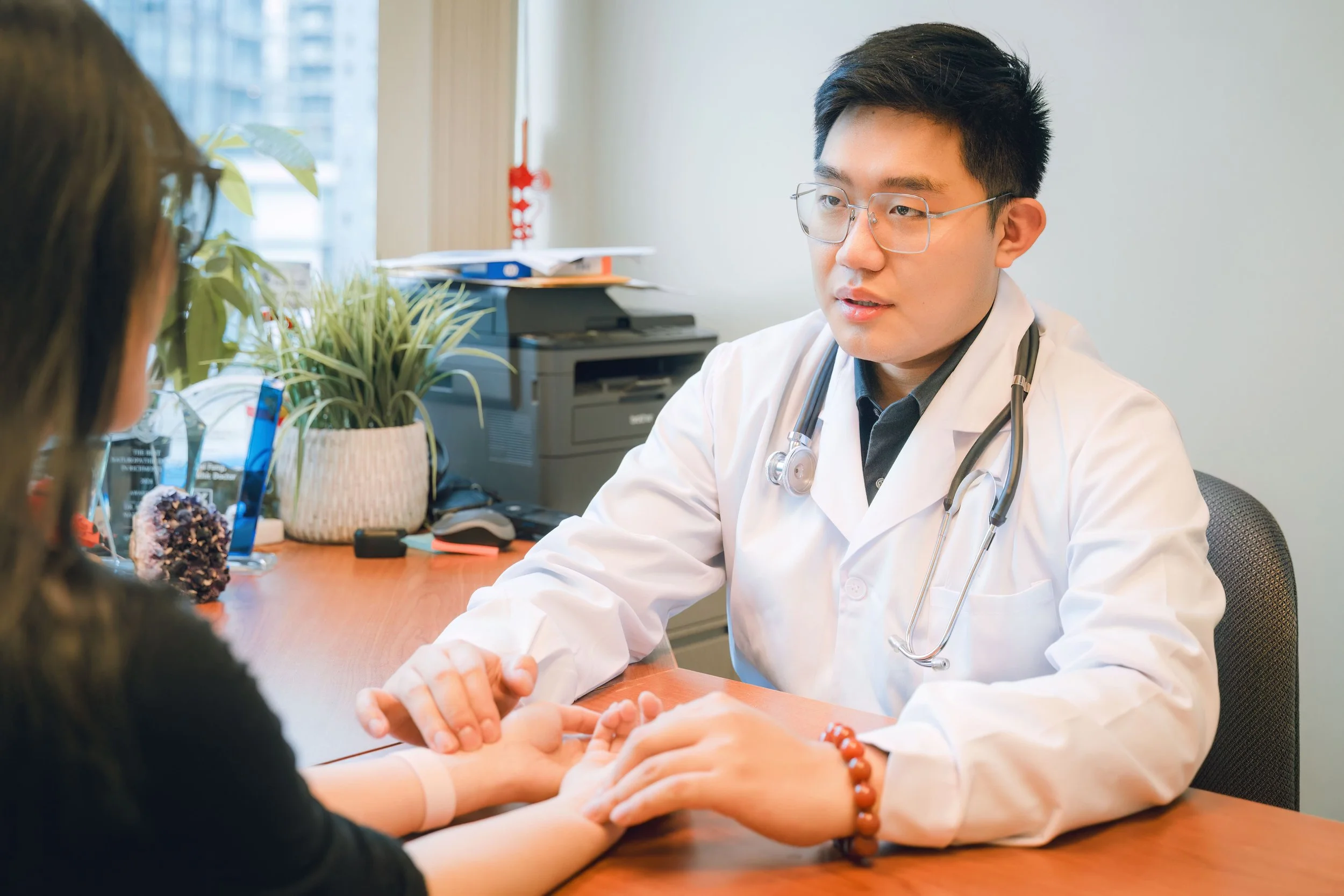
Why Acupuncture Works for So Many Australians — And What the Success Rate Really Tells Us
Is acupuncture just a placebo dressed up with needles, or is there real science behind its popularity? The truth is, if it didn’t work, millions wouldn’t keep going back — and thousands of Aussie health professionals wouldn’t stand behind it.
Here’s the short answer: research shows acupuncture can be highly effective for pain, fertility, and anxiety — with success rates ranging from 50% to 90%, depending on the condition and treatment frequency. But to understand why that’s not just a number — but a story of the body’s own power to heal — we need to dig deeper.
What do studies say about acupuncture’s effectiveness?
Acupuncture is one of the most studied complementary therapies in the world. And while results vary, the volume of evidence supporting it is now too big to ignore.
-
Chronic pain: A landmark meta-analysis published in Archives of Internal Medicine (2012) pooled data from over 18,000 participants and found acupuncture was significantly more effective than both sham treatments and standard care — especially for back pain, osteoarthritis, and headaches.
-
Fertility: Clinics across Australia are increasingly using acupuncture as part of IVF support. A 2020 study in the Journal of Integrative Medicine found improved pregnancy outcomes when acupuncture was used in the weeks leading up to embryo transfer.
-
Mental health: Trials show promising results for anxiety and insomnia, with up to 75% of patients reporting reduced symptoms after 6–8 sessions.
The takeaway? Acupuncture success rates range from 50% to 90% depending on what’s being treated, how early it’s used, and the practitioner’s expertise. That’s on par — or better — than many pharmaceutical interventions, and with fewer side effects.
Why do some people respond better than others?
Like most therapies, acupuncture isn’t one-size-fits-all. Success depends on a mix of biology, belief, and behaviour.
Here’s what makes a difference:
-
Condition severity: The earlier you treat something like neck pain or anxiety, the better the outcome.
-
Treatment frequency: Regular sessions (weekly at first) tend to yield stronger results than one-off visits.
-
Practitioner experience: Not all needles are equal. A seasoned acupuncturist with 10+ years under their belt can often spot subtle imbalances a newer practitioner might miss.
-
Client expectations: Yes, mindset plays a role. But that doesn’t mean it’s just placebo — the body has built-in mechanisms (like endorphins and blood flow regulation) that are triggered by needles.
That’s where behavioural science sneaks in. If people expect relief, they’re more likely to stick with sessions. And consistency — one of Cialdini’s key persuasion triggers — creates a feedback loop that makes long-term change more likely.
Is acupuncture safe? What are the risks?
For most people, yes. Acupuncture is extremely safe when performed by trained professionals using sterile, single-use needles — which is standard practice in Australia.
Mild side effects can include:
-
Slight bruising
-
Temporary fatigue
-
Minor bleeding at insertion sites
Serious complications are rare — estimated at 0.05 per 10,000 treatments according to British Acupuncture Council data. In other words: you’re statistically more likely to stub your toe on the way to the clinic than have a serious acupuncture side effect.
Why does acupuncture work for pain relief?
The mechanism is still being unravelled, but here’s what researchers do know:
-
It stimulates the body’s endogenous opioid system (your natural painkillers)
-
It improves blood flow and oxygen delivery to injured tissues
-
It dampens inflammatory pathways
-
It can shift the nervous system from “fight-or-flight” into a parasympathetic, healing mode
Think of it like nudging your body into a more functional state. You’re not overriding pain — you’re giving your body the conditions to resolve it.
How long does it take to see results?
A fair question, especially for those wary of “trying something new” for the third time this year.
-
Acute issues (like a sprain or migraine): Many people feel relief within 1–3 sessions.
-
Chronic conditions (e.g., endometriosis, sciatica): You’ll likely need 6–10 sessions for noticeable improvement.
-
Stress and sleep issues: Often show change around week 4, with improvements in mood and rest quality.
That said, improvement often builds gradually, not like flicking a switch — more like dimming down the pain over time.
Is there social proof of acupuncture working in real life?
Absolutely. From AFL players using acupuncture in recovery routines, to local GPs referring patients to Traditional Chinese Medicine clinics, the tide has turned from scepticism to acceptance.
Consider this: Over 10 million Australians suffer from chronic pain. And despite the availability of pain meds, many are seeking alternatives that treat the root cause, not just the symptom. Acupuncture’s popularity isn’t about hype — it’s about results.
In Richmond, for instance, some of the busiest wellness clinics don’t advertise heavily. Their books fill via word of mouth. That’s the Liking and Social Proof effect in action — when people see mates getting results, they’re more inclined to try it themselves.
So… what’s the real success rate of acupuncture?
Let’s call it what it is: acupuncture isn’t magic — but it is methodical.
-
60–90% of patients report moderate to significant improvement, especially for musculoskeletal and pain-related conditions.
-
Results are strongest when part of a consistent routine, guided by a qualified practitioner.
-
And while individual outcomes vary, side effects are low, making it a low-risk option worth trying — especially when other avenues haven’t delivered.
Success, here, is also about how you define it. Is it total pain elimination? Or the ability to walk without limping? Sleep without waking? For many, that’s more than enough.
FAQ: Quick answers to common acupuncture questions
Q: Does acupuncture hurt?
Most people feel only a light tingling or mild ache. It’s nothing like getting a vaccine.
Q: How many sessions do I need?
That depends on your condition, but a good starting point is weekly sessions for 4–6 weeks.
Q: Can acupuncture help if I’ve tried everything else?
Yes — many people turn to acupuncture after mainstream options fail and find surprising relief.
Acupuncture may not be a miracle cure, but in the right hands, it’s a quietly powerful tool. Whether you’re managing persistent pain or chasing better sleep, it could be worth exploring what acupuncture in Richmond has to offer — especially when consistency meets expertise.
And if nothing else, lying still for 30 minutes with soft music and no screens? That’s healing in itself.
voters
Report Story 
Related Stories








Recent Stories