 Mariya Jhon
10 months ago in Health & Wellness
Mariya Jhon
10 months ago in Health & Wellness
High Authority Social Bookmarking Site for Australian SEO in 2026 - A2Bookmarks Australia
Welcome to A2Bookmarks Australia, your premier high-authority social bookmarking site designed for effortless content submission and visibility down under. Our platform offers a trusted, dedicated network for Australians to easily save, manage, and share their favorite web pages and URLs. As one of the most reliable Australian social bookmarking sites in 2026, we ensure your content stays relevant and indexed. Whether you're a business owner seeking to boost your local online visibility or an SEO professional needing quality link submission tools, A2Bookmarks is the solution. Instantly increase your brand authority and build meaningful Australian backlinks by submitting your content directly through our verified, active network. Connect with our community, utilize powerful bookmarking tools, and boost your digital presence with confidence. Optimize your content reach and SEO performance with targeted social bookmarking tailored for Australian audiences. Start submitting your links today!
What should you not do after cupping therapy? medium.com
Mariya Jhon
10 months ago in Health & Wellness
Cupping therapy can leave you feeling lighter, looser, and strangely calm — but what you do after the session can make or break those benefits. Whether you’re a first-timer or a regular at your local wellness clinic in Vancouver, post-cupping care is about more than avoiding a few bruises. It’s about helping your body recover, rebalance, and get the full reward of your treatment.
So, what should you not do after cupping therapy? Here’s the quick answer:
Avoid hot showers, exercise, alcohol, caffeine, tight clothing, and cold exposure for at least 24 hours after your session.
Your skin and lymphatic system need time to stabilise — and overloading them too soon can undo the good work you’ve just paid for.
Let’s unpack why.
Why Your Body Feels Different After Cupping
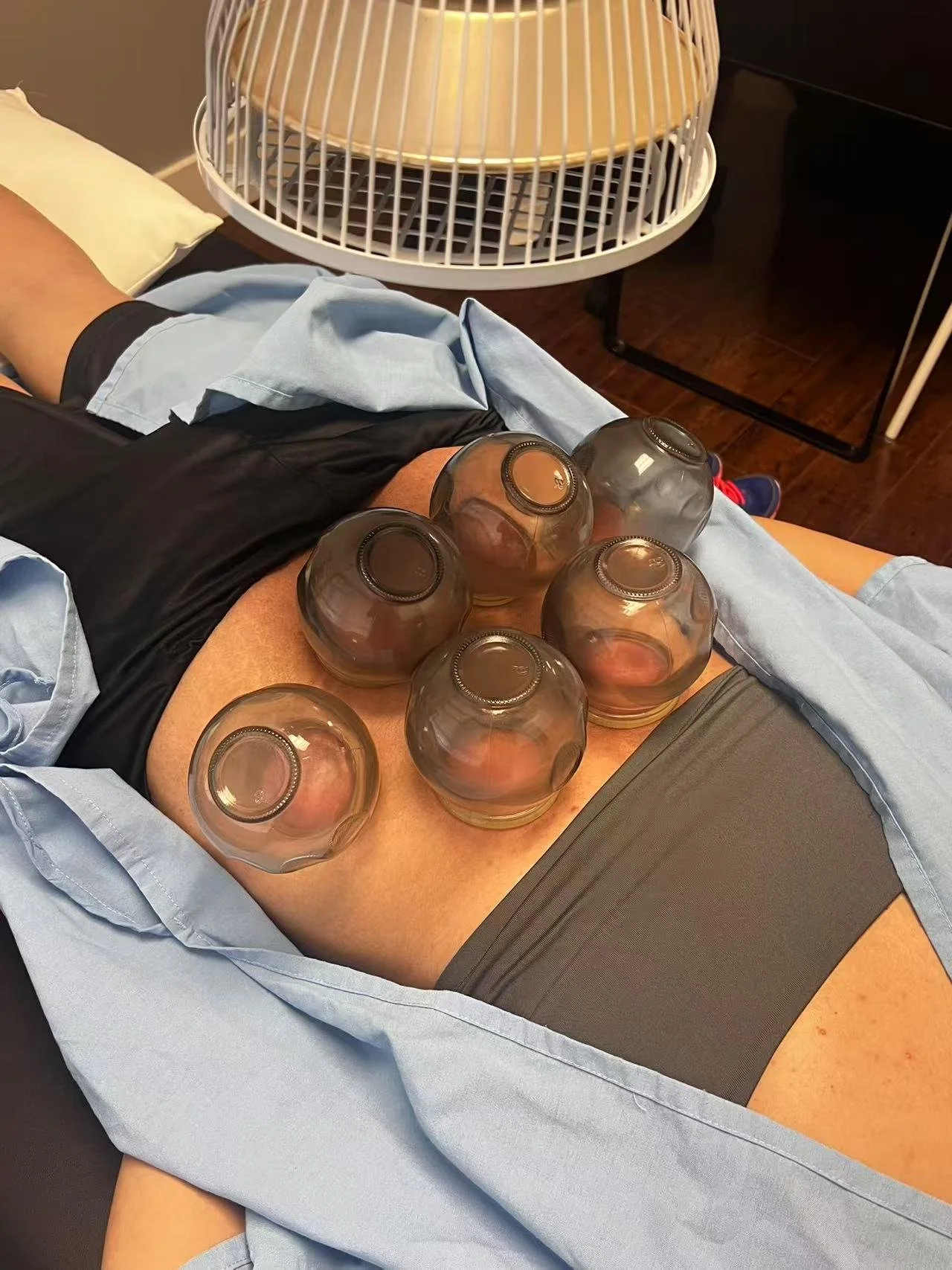
Cupping isn’t just a massage with a few glass cups thrown in. It’s a centuries-old technique that draws blood and lymph to the surface to relieve muscle tension and stimulate healing. Many practitioners in Australia and Canada use it alongside acupuncture, physiotherapy, or sports recovery programs.
After your treatment, those signature red or purple circles aren’t bruises in the usual sense. They’re signs of increased blood flow — evidence your body is working to flush out waste and restore balance.
That’s why what you do after cupping matters as much as the treatment itself. Your skin is sensitive, your pores are open, and your circulation is on high alert. The wrong post-session habits can interfere with that natural recovery process.
1. Don’t Jump Into a Hot Shower or Sauna
It might feel natural to wash off after a treatment, but your therapist will tell you otherwise.
After cupping, your skin’s surface is more porous, making it vulnerable to temperature extremes. Hot water, steam rooms, and saunas can intensify inflammation and irritation.
That can lead to redness, itchiness, or even small blisters if you’re unlucky.
Instead, wait at least 6–8 hours before showering — ideally 24. When you do, go for lukewarm water and avoid scrubbing the cupped areas.
Behavioural insight: This is a classic case of loss aversion. Once people see those marks, they’re tempted to “clean up” — but that instinct often backfires, undoing the session’s gains.
2. Don’t Exercise Straight After Cupping
If you’re used to squeezing in a gym session or a run after work, reschedule it. Your muscles need downtime to process the increased blood flow and detoxification triggered by cupping.
High-intensity exercise right after can cause:
-
Muscle soreness or cramping
-
Extended bruising
-
Fatigue or dehydration
Take it as a day of recovery. Think gentle stretching, walking, or simply resting.
Professional athletes often use cupping in their recovery cycles, not before performance.
“Your body’s already had a workout from the treatment itself,” explains Melbourne-based myotherapist Liam Hunt. “Adding more strain straight away is like pressing the accelerator when your engine’s cooling down.”
3. Don’t Drink Alcohol or Caffeine
Cupping stimulates your lymphatic system — the body’s natural detox mechanism. That’s why hydration is key afterward.
Alcohol and caffeine, however, dehydrate you and strain your liver, the very organ that’s processing the waste released during your treatment.
Many practitioners recommend sticking to water or herbal teas for 24 hours to give your body a clean recovery window.
Try sipping warm water with lemon or ginger, which supports gentle detox and digestion.
Your body will thank you with clearer energy and less fatigue the next day.
4. Don’t Expose the Area to Cold or Wind
In traditional Chinese medicine, which forms the roots of cupping therapy, “wind” and “cold” are considered energetic invaders when the pores are open. In Western terms, it’s simple physiology: your skin’s barrier is temporarily weakened.
So, skip the ice bath or outdoor stroll in chilly weather. Cover cupped areas with loose, breathable clothing — natural fibres like cotton or bamboo are ideal.
This helps protect your skin and maintain circulation while you heal.
5. Don’t Wear Tight Clothing
Tight fabrics and compression wear might look sleek, but after cupping, they can rub, irritate, or block circulation in the treated areas.
Stick with loose-fitting clothes for at least a day. Think soft tees, trackies, or oversized jumpers — perfect excuse for a cosy evening in.
6. Don’t Scratch or Massage the Marks
Those circular marks may feel itchy or tender, but resist the urge to touch. Scratching or rubbing can delay healing or even cause minor infection if your hands aren’t perfectly clean.
If the area feels dry or irritated, apply a gentle moisturiser like aloe vera gel or jojoba oil. Avoid scented lotions — natural and fragrance-free is best.
7. Don’t Skip Hydration or Nutrition
After cupping, your body is in clean-up mode. Drinking plenty of water helps flush metabolic waste and supports lymphatic flow.
Aim for:
-
2–3 litres of water through the day
-
Nutrient-rich meals with fresh vegetables, lean protein, and whole grains
-
Avoid processed foods, excess salt, and sugar
Psychological nudge: Commit publicly. Tell a friend or post on social media that you’re doing a “cupping detox day” — the consistency principle makes it easier to follow through.
8. Don’t Panic About the Marks
Those dark circles look dramatic, but they’re a normal part of the process. The colour and duration vary depending on how much stagnation your body needed to clear.
Most fade within 3–7 days.
If they last longer or feel unusually painful, talk to your practitioner — but for most people, it’s just visual evidence that the therapy worked.
Fun fact: Olympic swimmer Michael Phelps made cupping marks famous during the 2016 Games. Far from hiding them, he wore them proudly — a subtle form of social proof that made millions curious about the therapy.
9. Don’t Book Back-to-Back Sessions
Cupping isn’t something to overdo. While some athletes use it weekly, most people benefit from spacing sessions every 2–4 weeks, depending on their needs.
Too-frequent treatments can over-stimulate your system or leave your skin overly sensitive.
Your therapist can help you find the right rhythm based on your recovery goals — whether that’s easing tight shoulders, boosting circulation, or improving general wellbeing.
What You Should Do Instead
Let’s flip the script. Here’s what your post-cupping care should look like for best results:
-
Stay hydrated – water or herbal teas throughout the day.
-
Rest and relax – allow your body to reset.
-
Keep warm and covered – support circulation.
-
Eat nourishing foods – think whole, fresh, and light.
-
Listen to your body – if you feel tired, rest; if energised, move gently.
Cupping works in synergy with your body, not against it. Treat it as a healing investment, not a quick fix.
How Long Should You Avoid These Things?
| Activity | Wait Time (Minimum) | Why |
|---|---|---|
| Hot shower or sauna | 6–24 hours | Prevents irritation and inflammation |
| Exercise | 24 hours | Allows muscle recovery |
| Alcohol or caffeine | 24 hours | Reduces detox strain |
| Cold or wind exposure | 24–48 hours | Prevents chill and irritation |
| Tight clothing | 24 hours | Reduces friction and discomfort |
Common Post-Cupping Reactions (and Why They’re Normal)
It’s common to feel:
-
Slight fatigue or lightheadedness
-
Muscle soreness (similar to a workout)
-
Warmth or tingling at the cupped areas
-
Emotional release or deeper sleep that night
These are all signs your nervous and circulatory systems are recalibrating.
If symptoms persist beyond 48 hours or seem severe, check in with your practitioner or GP — but for most, it’s simply your body doing its repair work.
For a deeper understanding of how cupping supports recovery and circulation, this comprehensive explanation of cupping therapy offers excellent insights.
FAQ
1. Can I shower after 12 hours?
Yes — as long as the water is lukewarm and you avoid scrubbing the cupped areas.
2. Is it okay to use moisturiser?
Absolutely. Use natural, fragrance-free options like aloe vera or coconut oil to soothe the skin.
3. What if the marks don’t fade after a week?
It’s rare, but if the marks last beyond 10 days or feel sore, contact your therapist for advice.
Final Thought
Cupping therapy works by nudging your body into its own healing rhythm — but that rhythm needs space and respect. Think of it like tuning an instrument: strike the right note, then let it resonate.
Skip the gym, hold off on the wine, and treat your skin with kindness. Your body’s already doing the hard work underneath.
If you’re curious to learn more about how cupping therapy supports recovery and circulation, you can explore this cupping therapy overview.
voters
Report Story 
Related Stories







Recent Stories