 kevin dgsquares
8 hours ago in Business Services
kevin dgsquares
8 hours ago in Business Services
High Authority Social Bookmarking Site for Australian SEO in 2026 - A2Bookmarks Australia
Welcome to A2Bookmarks Australia, your premier high-authority social bookmarking site designed for effortless content submission and visibility down under. Our platform offers a trusted, dedicated network for Australians to easily save, manage, and share their favorite web pages and URLs. As one of the most reliable Australian social bookmarking sites in 2026, we ensure your content stays relevant and indexed. Whether you're a business owner seeking to boost your local online visibility or an SEO professional needing quality link submission tools, A2Bookmarks is the solution. Instantly increase your brand authority and build meaningful Australian backlinks by submitting your content directly through our verified, active network. Connect with our community, utilize powerful bookmarking tools, and boost your digital presence with confidence. Optimize your content reach and SEO performance with targeted social bookmarking tailored for Australian audiences. Start submitting your links today!
Retaining Walls Landscaping: Transform Your Outdoor Space in Australia retainingwalls-landscaping.com
kevin dgsquares
8 hours ago in Business Services
A well-designed garden can make your property more attractive, functional, and enjoyable. However, sloping land, uneven ground, and soil erosion can make landscaping challenging. This is where retaining walls become a valuable addition to residential and commercial outdoor spaces. They help manage changes in ground levels while creating opportunities for beautiful garden designs.
Retaining Walls Landscaping combines practical construction with thoughtful outdoor design to help homeowners make better use of their available space. Whether you want to create level garden beds, improve drainage, build terraced areas, or add structure to your backyard, the right garden wall can make a noticeable difference.
Across Australia, retaining walls are popular for properties with sloping blocks, landscaped gardens, and outdoor living areas. Choosing suitable materials and professional installation can help you achieve a durable, attractive result that complements your property.
What Are Retaining Walls and Why Are They Important?
A retaining wall is a structure designed to hold back soil where there is a difference in ground elevation. Unlike a simple decorative garden border, a retaining wall may need to withstand considerable pressure from soil, water, and surrounding ground conditions.
When properly planned, retaining walls offer several benefits:
- Soil erosion control: Helps keep soil in place on sloping properties.
- Improved garden design: Creates defined planting areas and attractive landscape features.
- More usable space: Makes it easier to develop level areas for lawns, seating, and pathways.
- Better property presentation: Adds structure and visual interest to outdoor spaces.
- Garden organisation: Separates different landscaping zones for easier maintenance.
A suitable wall design depends on your property’s slope, soil type, drainage requirements, and intended use.
Popular Retaining Wall Materials for Australian Gardens
Selecting the right material is an important part of any garden landscaping project. Different materials offer different combinations of strength, appearance, maintenance requirements, and cost.
1. Concrete Retaining Walls
Concrete retaining walls are a practical choice for many residential and commercial properties. They offer durability and can be designed to suit modern gardens, sloping blocks, and areas requiring substantial soil support.
Depending on the design, concrete walls can provide a clean, contemporary finish or be incorporated into a broader landscape plan.
2. Timber Retaining Walls
Timber garden walls create a natural appearance that works well with lawns, garden beds, and traditional outdoor spaces. Treated timber suitable for the intended ground-contact conditions is essential for durability.
Timber may be suitable for some smaller landscaping projects, although its lifespan depends on the timber type, moisture exposure, installation quality, and maintenance.
3. Natural Stone Retaining Walls
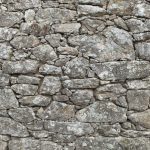
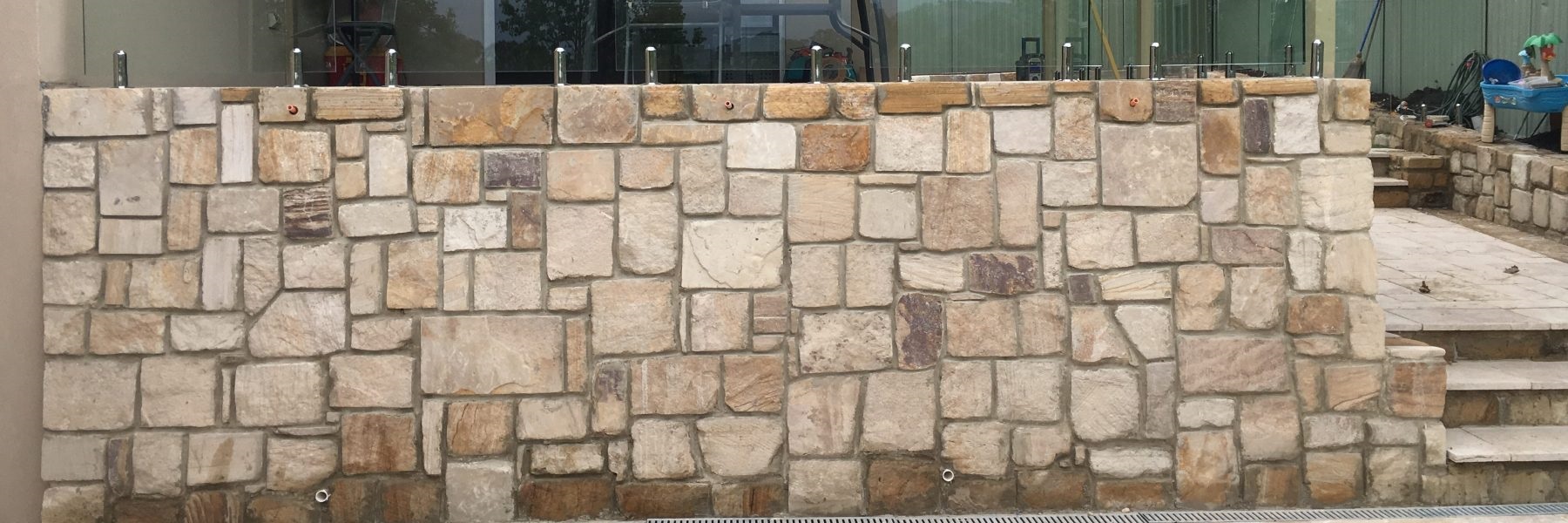
Stone retaining walls offer a timeless appearance and can complement Australian gardens with native plants, decorative gravel, and established trees.
Natural stone can also create an attractive focal point, particularly when the wall is incorporated into a carefully planned garden layout.
4. Concrete Block Retaining Walls
Concrete blocks provide flexibility in design and can be used for a variety of garden wall applications. Some retaining wall block systems are designed for straightforward installation, while taller or more heavily loaded structures may require specialist engineering.
The best option depends on the site conditions, wall height, budget, and desired appearance.
How Retaining Walls Landscaping Improves Your Outdoor Space
Thoughtful Retaining Walls Landscaping can turn an awkward or uneven backyard into a more practical and visually appealing environment. Rather than treating a slope as a limitation, homeowners can use different wall heights and garden levels to create a structured outdoor area.
Create Terraced Garden Beds
Terracing divides a sloping garden into smaller, more manageable levels. Each level can support different plants, decorative features, or lawn areas, helping create depth and visual interest.
Improve Drainage Management
Water accumulation behind a retaining wall can increase pressure on the structure and contribute to damage. Appropriate drainage measures, such as drainage aggregate, suitable drainage pipes, and properly designed outlets, help manage water movement.
Drainage should be planned for the specific site rather than treated as an optional finishing detail.
Make Better Use of Sloping Land
A carefully designed retaining wall can help create space for outdoor seating, garden paths, lawn areas, and planting zones. The final layout should account for access, water flow, soil stability, and the intended use of each level.
Important Factors Before Building a Garden Retaining Wall
Before starting your project, consider the following factors to avoid unnecessary costs and future problems.
- Site assessment: Understand the slope, soil conditions, and surrounding structures.
- Wall height: Taller walls generally require more detailed design and may need engineering.
- Drainage planning: Prevent water from accumulating behind the wall.
- Material selection: Choose materials suited to local conditions and your preferred garden style.
- Council requirements: Check applicable Australian state and local council rules before construction.
- Professional installation: Seek qualified assistance when structural stability, difficult ground conditions, or significant soil loads are involved.
Also consider nearby driveways, fences, buildings, and neighbouring properties. Additional loads near a retaining wall can affect its design requirements.
Why Choose Professional Retaining Wall Services?
Professional planning helps ensure that a garden wall is suited to the property rather than simply chosen for its appearance. An experienced landscaping contractor can assess the site, recommend appropriate materials, plan drainage, and coordinate construction.
For homeowners exploring Retaining Walls Landscaping, reviewing the available garden wall options is a useful first step. Visit the Garden Walls page to explore options for your outdoor project and identify a design that complements your property.
Before committing to a contractor, ask about relevant experience, material specifications, drainage provisions, engineering requirements, and the proposed construction process. Clear planning can help reduce unexpected issues and improve the long-term performance of your investment.
Conclusion
Retaining walls can do much more than hold back soil. They can improve garden organisation, manage uneven terrain, support attractive planting areas, and help homeowners make better use of outdoor space.
With the right materials, suitable drainage, and careful planning, Retaining Walls Landscaping can contribute to a garden that looks appealing and performs well over time. Every property has different requirements, so consider your site’s conditions and intended use before choosing a design.
Ready to improve your garden? Explore the garden wall options available through the Retaining Walls Landscaping website and take the next step towards a more functional and attractive outdoor space.
Frequently Asked Questions
1. What is the main purpose of a retaining wall?
A retaining wall holds back soil where ground levels change. It can also help control erosion, create level garden areas, and improve the overall appearance of a landscape.
2. Which retaining wall material is best for Australian gardens?
Concrete, treated timber, natural stone, and concrete blocks are all potential options. The best material depends on the wall’s height, soil conditions, drainage needs, budget, and preferred appearance.
3. Do retaining walls need drainage?
Yes, appropriate drainage is important for most soil-retaining structures. Water pressure behind a wall can contribute to movement or failure if it is not managed properly. Drainage requirements depend on the wall design and site conditions.
4. Do I need council approval for a retaining wall in Australia?
Approval requirements vary by state, territory, local council, wall height, location, and site conditions. Check with your local council and relevant building authority before construction.
5. How can retaining walls improve a small backyard?
Retaining walls can create separate garden levels, define planting beds, and make some sloping areas more usable. A well-planned layout can help a small backyard feel more organised without overcrowding the available space.
6. How long does a retaining wall last?
Its lifespan depends on the material, design, construction quality, drainage, soil conditions, and maintenance. Durable materials and appropriate installation can help extend the wall’s service life.
7. How do I get started with a retaining wall landscaping project?
Start by assessing your garden’s slope, available space, drainage, and intended use. Compare suitable materials, check local requirements, and consult a qualified professional if the wall will support significant soil loads or is subject to complex site conditions.
voters
Report Story 
Related Stories











Recent Stories