 Meriya
7 months ago in Sports & Recreation
Meriya
7 months ago in Sports & Recreation
High Authority Social Bookmarking Site for Australian SEO in 2026 - A2Bookmarks Australia
Welcome to A2Bookmarks Australia, your premier high-authority social bookmarking site designed for effortless content submission and visibility down under. Our platform offers a trusted, dedicated network for Australians to easily save, manage, and share their favorite web pages and URLs. As one of the most reliable Australian social bookmarking sites in 2026, we ensure your content stays relevant and indexed. Whether you're a business owner seeking to boost your local online visibility or an SEO professional needing quality link submission tools, A2Bookmarks is the solution. Instantly increase your brand authority and build meaningful Australian backlinks by submitting your content directly through our verified, active network. Connect with our community, utilize powerful bookmarking tools, and boost your digital presence with confidence. Optimize your content reach and SEO performance with targeted social bookmarking tailored for Australian audiences. Start submitting your links today!
Which stroke is best for improving endurance? leisurecity.ymca.org.au
Meriya
7 months ago in Sports & Recreation
If you’ve ever tried to swim lap after lap and found yourself puffed halfway through, you’re not alone. Building endurance in the pool isn’t just about strength or speed—it’s about efficiency. So, which swimming stroke is best for improving endurance? The quick answer: freestyle takes the crown, but every stroke has its unique benefits when it comes to lasting power and stamina.
Let’s unpack how each stroke contributes to endurance training, and why a bit of variety might actually be your secret weapon.
What Makes a Stroke “Endurance-Friendly”?
Endurance swimming is all about maintaining rhythm, controlling breathing, and minimising energy waste. The best endurance stroke ticks these boxes:
-
Promotes consistent breathing patterns
-
Uses large muscle groups efficiently
-
Encourages streamlined body positioning
-
Reduces drag and energy loss
These factors explain why freestyle (front crawl) dominates endurance training. But before you settle on one stroke, let’s compare the four main ones.
How Does Each Stroke Impact Stamina?
| Stroke | Endurance Benefit | Limiting Factor |
|---|---|---|
| Freestyle | Builds aerobic capacity, allows steady breathing rhythm, low resistance | Shoulder fatigue if technique falters |
| Backstroke | Works opposing muscles, aids recovery, reduces breathing strain | Slower pace and more drag |
| Breaststroke | Strengthens legs and core, improves lung control | High energy demand per stroke |
| Butterfly | Excellent for power endurance, engages full body | Extremely taxing, short-burst energy use |
Freestyle clearly offers the best return for long-distance training, but integrating other strokes can enhance muscular balance and prevent overuse injuries.
Why Freestyle Wins for Endurance
Freestyle is the most efficient stroke because it maximises propulsion while minimising drag. Its alternating arm motion and flutter kick distribute the effort evenly, letting swimmers sustain their pace for kilometres.
Endurance coaches often recommend interval sets like 10 x 200m freestyle at a moderate pace to improve aerobic capacity. Over time, your body learns to use oxygen more efficiently—a process known as cardiorespiratory adaptation.
Anyone who’s trained seriously knows that the small tweaks matter: relaxed exhalation underwater, smooth rotation, and consistent pacing all contribute to sustainable endurance.
Can Mixing Strokes Improve Your Overall Stamina?
Yes—and in many cases, it’s essential. Cross-training with different strokes prevents muscular fatigue from repetition and keeps training interesting. For instance:
-
Backstroke helps loosen the shoulders after long freestyle sets.
-
Breaststroke builds leg endurance, complementing your upper-body work.
-
Butterfly, though intense, improves total-body coordination and power output.
Elite coaches often structure workouts to include multiple strokes within one session, ensuring balanced muscle engagement and recovery.
How Swimming Lessons Help Build Endurance Faster
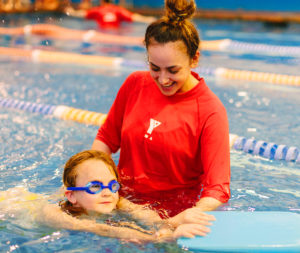
Technique plays a massive role in endurance. Small inefficiencies—like a dropped elbow or inconsistent breathing—can cost you metres over time. That’s why guided instruction is invaluable. In structured Swimming Lessons Mill Park, coaches focus on efficiency drills and pacing strategies that help you swim longer with less effort.
They also teach swimmers how to monitor heart rate zones, manage fatigue, and maintain proper form deep into a session. These fundamentals separate casual lap swimmers from true endurance athletes.
For a deeper breakdown of all four competitive strokes, this comprehensive guide explains how each stroke is taught and developed in training.
What Does Science Say About Building Swim Endurance?
Studies from institutions like the Australian Institute of Sport show that endurance gains come from a combination of aerobic base training and technique efficiency. In practice, this means long, steady swims at moderate intensity mixed with shorter, faster intervals to increase oxygen utilisation.
Hydration, recovery, and nutrition also play major roles. Swimmers often underestimate the importance of glycogen replenishment and proper rest between sessions, both critical for consistent endurance gains.
If you want a deep dive into scientific training methods, Swimming Australia’s resources offer some excellent insights for all levels.
Quick Tips for Building Endurance in the Pool
-
Swim longer, not harder. Gradually extend distance before increasing pace.
-
Use a pace clock. Track your intervals and rest periods.
-
Drill with purpose. Focus on catch, pull, and streamline positions.
-
Incorporate breathing patterns. Try bilateral breathing for balance.
-
Mix strokes and sets. Prevent burnout and build total-body stamina.
FAQs
Which stroke should beginners start with for endurance?
Freestyle is ideal—it’s efficient, rhythmic, and easier to sustain once you’ve mastered breathing.
Can I build endurance without swimming long distances?
Yes. Interval training and technique-focused sets can improve endurance without endless laps.
How many times per week should I train?
Three to four sessions weekly, alternating between aerobic and technique-focused workouts, is a good balance for most swimmers.
Endurance in swimming isn’t built overnight—it’s refined through rhythm, patience, and good technique. Whether you’re training for fitness or open-water events, consistency is your greatest ally. If you’re curious about how each stroke develops unique strengths, explore this detailed overview of Swimming Lessons Mill Park to see how structured training can transform your endurance journey.
voters
Report Story 
Related Stories






Recent Stories