 AlphaGraphics Design District
3 months ago in Business Services
AlphaGraphics Design District
3 months ago in Business Services
High Authority Social Bookmarking Site for Australian SEO in 2026 - A2Bookmarks Australia
Welcome to A2Bookmarks Australia, your premier high-authority social bookmarking site designed for effortless content submission and visibility down under. Our platform offers a trusted, dedicated network for Australians to easily save, manage, and share their favorite web pages and URLs. As one of the most reliable Australian social bookmarking sites in 2026, we ensure your content stays relevant and indexed. Whether you're a business owner seeking to boost your local online visibility or an SEO professional needing quality link submission tools, A2Bookmarks is the solution. Instantly increase your brand authority and build meaningful Australian backlinks by submitting your content directly through our verified, active network. Connect with our community, utilize powerful bookmarking tools, and boost your digital presence with confidence. Optimize your content reach and SEO performance with targeted social bookmarking tailored for Australian audiences. Start submitting your links today!
Why Dallas Businesses Still Need a Professional Print Service (Even in a Digital World) australia.com
AlphaGraphics Design District
3 months ago in Business Services
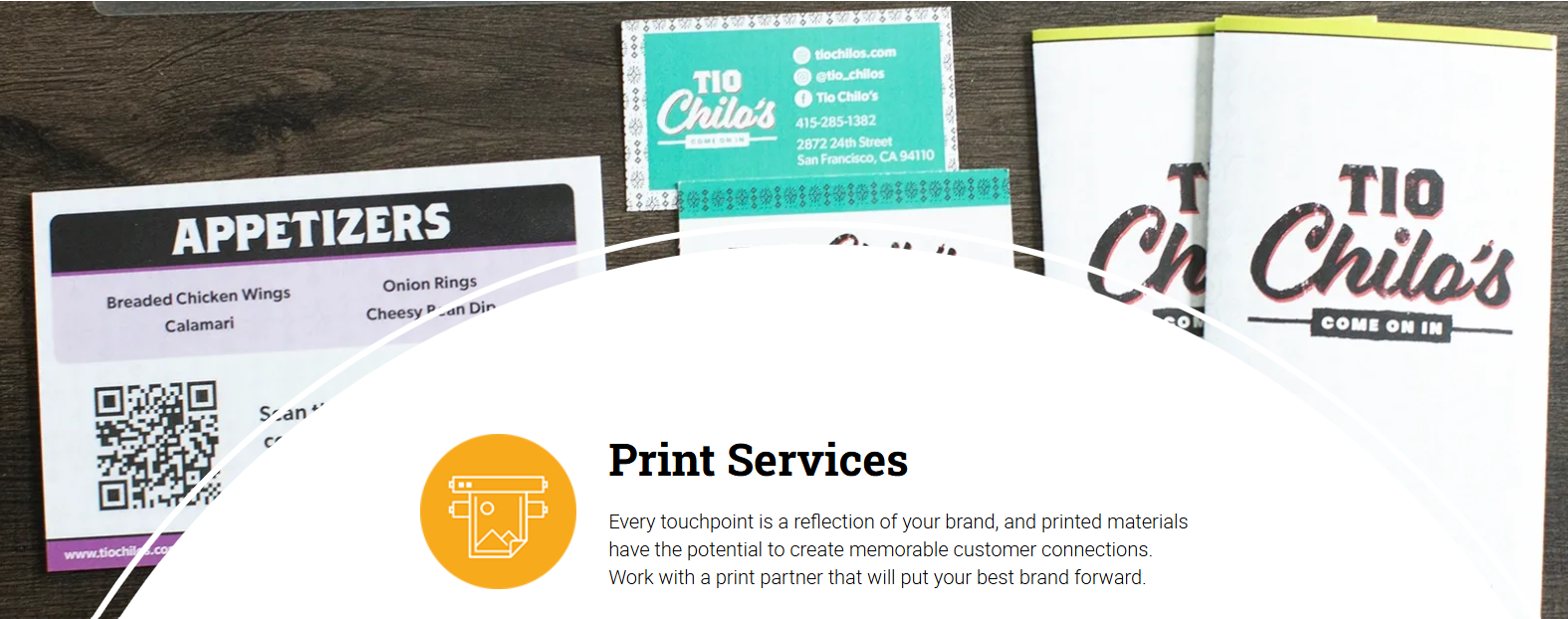
You’d think print marketing would be on its last legs by now. Everyone’s scrolling, swiping, and getting bombarded with ads on every screen they own. So why do the most polished Dallas businesses — the ones with the best storefronts on Lower Greenville, the slickest booths at the Kay Bailey Hutchison Convention Center, the cleanest-looking food trucks at Klyde Warren Park — still lean so heavily on print?
Because Professional Print Service still works, and arguably works better now precisely because everyone else has abandoned it. When your customer’s inbox has 40 unread promotional emails and their feed is an endless scroll of nearly identical sponsored posts, a beautifully designed business card or a glossy tri-fold brochure stands out simply by existing in physical form. It’s tangible. It sits on a desk. It gets handed to a coworker. That’s something a digital ad can’t do.
If you run a business in Dallas and you’ve been putting off finding a solid print partner, this is your nudge to stop putting it off.
The Problem With “Just DIY-ing It”
A lot of small business owners try to handle their own printing — running a few hundred flyers off at a big-box office supply store or designing a banner in Canva and uploading it to whatever cheap online printer pops up first in search results. I get the appeal. It feels faster and cheaper.
But here’s what usually happens: the colors come out off because the file wasn’t set up for CMYK printing. The paper stock feels thin and cheap in someone’s hand. The banner has a typo nobody caught because there was no second set of eyes. And now you’ve spent money on materials that actually hurt your brand’s credibility instead of helping it.
Why First Impressions on Paper Still Matter
Think about the last trade show you walked through. Some booths had banners that looked like they were printed on a home inkjet — faded, blurry, slightly pixelated. Others looked like a magazine cover. Which booth did you walk toward first? Nobody consciously thinks “I trust this company more because their signage is high quality,” but it happens anyway. Print quality is a silent signal of how seriously you take your business.
What a Professional Print Service Actually Brings to the Table
A real print shop isn’t just a machine that spits out paper. The good ones function more like a design and production partner. Here’s what that typically includes:
- Pre-press file checks — catching bleed errors, low-resolution images, and color mismatches before anything gets printed and wasted.
- Material guidance — knowing the difference between a 14pt and 16pt cardstock, or when vinyl banners need grommets versus pole pockets.
- Volume pricing and turnaround planning — especially useful if you’re prepping for a specific event date and can’t afford a delay.
- In-house design support — for businesses that have a great idea but no designer on staff.
That last point trips people up. A lot of owners assume they need a finished, print-ready file before they even contact a print company. In reality, most established print shops in Dallas — including teams like the one at AlphaGraphics Design District — offer design help as part of the package, so you’re not stuck hiring a separate freelance designer just to get a flyer looking right.
Choosing the Right Print Partner in Dallas
Dallas has no shortage of print shops, which is both a blessing and a headache. More options means more competition on price, but it also means more variance in quality. Here’s what actually matters when you’re vetting one.
Ask About Turnaround Realistically
Anyone can promise “same-day printing.” Ask what happens if your file has an issue — does same-day still apply, or does the clock reset? Good shops are upfront about this instead of burying it in fine print.
Look at Their Past Work, Not Just Their Website
Website portfolios get curated. Ask if they have physical samples you can hold — different paper weights, finishes (matte vs. gloss vs. soft-touch), and binding styles. The difference between a flimsy postcard and a substantial one is something you can only judge by touch.
Check Whether They Handle Large-Format Printing
If your business ever needs trade show banners, window decals, vehicle wraps, or yard signs, you want a shop that does both small-format (business cards, brochures) and large-format work under one roof. Juggling two vendors for related projects creates unnecessary friction and inconsistent branding.
Real-World Scenarios Where Print Still Wins
Trade shows and conferences. Dallas hosts a steady stream of B2B events throughout the year. A well-printed retractable banner and a stack of branded one-pagers consistently outperform a QR code stuck to a folding table.
Local retail and restaurants. Menus, table tents, and loyalty punch cards aren’t going anywhere. Customers expect something physical to reference while they’re deciding what to order.
Real estate. Open house signage, property brochures, and door hangers remain some of the highest-converting tools in a realtor’s kit, especially in neighborhoods like Bishop Arts or Lakewood where foot traffic and curb appeal genuinely matter.
Mistakes That Quietly Sabotage a Print Project
The most common one I see: businesses approve a digital proof on their phone screen, where colors look brighter and more saturated than they’ll print. Always review proofs on a calibrated monitor or, better yet, ask for a physical sample before a big run.
The second mistake is underestimating lead time. A custom die-cut shape or a specialty finish like foil stamping takes longer than standard printing. Build in buffer time, especially around event season.
A Few Practical Takeaways
- Request a physical proof before committing to a large print run.
- Match your paper stock to your brand’s positioning — luxury brands shouldn’t use flimsy, lightweight cardstock.
- Bundle small-format and large-format printing with one vendor when possible, for consistency.
- Build in at least a week of buffer time for anything with specialty finishes.
FAQs
How much does professional printing typically cost in Dallas?
It varies widely based on volume, paper stock, and finish type, but most shops offer tiered pricing — the more you print, the lower your per-unit cost. Get a few quotes before assuming one shop’s pricing reflects the market.
Can a print shop help if I don’t have a designer?
Yes, most full-service print companies offer in-house design assistance, which is especially helpful for small businesses without a marketing team.
What file format should I use when submitting artwork?
Print-ready PDFs with embedded fonts and proper bleed settings are the industry standard. If you’re not sure how to set this up, ask the print shop — reputable ones will walk you through it rather than just rejecting your file.
Is print marketing still worth it if most of my customers are online?
Print and digital aren’t competitors — they reinforce each other. A physical flyer with a QR code linking to your site often performs better than either channel alone.
How far in advance should I order for an event?
A safe rule of thumb is two to three weeks for standard materials, and four or more weeks if you need specialty finishes or large-format signage.
Wrapping It Up
Print isn’t a relic — it’s a tool that, when used well, makes your brand feel more credible and more memorable than a purely digital presence ever could. The businesses winning in Dallas right now aren’t choosing between print and digital; they’re using both, and using a print partner who actually understands materials, design, and turnaround instead of just running a press.
If you’ve been putting off updating your business cards, signage, or marketing collateral, there’s no better time to start than before your next event, opening, or seasonal push. Find a shop that treats your project like their own brand is on the line, and you’ll notice the difference the moment your materials are in someone’s hands.
Report StoryRelated Stories








Recent Stories