 Resume Redefined
1 year ago in Business Services
Resume Redefined
1 year ago in Business Services
High Authority Social Bookmarking Site for Australian SEO in 2026 - A2Bookmarks Australia
Welcome to A2Bookmarks Australia, your premier high-authority social bookmarking site designed for effortless content submission and visibility down under. Our platform offers a trusted, dedicated network for Australians to easily save, manage, and share their favorite web pages and URLs. As one of the most reliable Australian social bookmarking sites in 2026, we ensure your content stays relevant and indexed. Whether you're a business owner seeking to boost your local online visibility or an SEO professional needing quality link submission tools, A2Bookmarks is the solution. Instantly increase your brand authority and build meaningful Australian backlinks by submitting your content directly through our verified, active network. Connect with our community, utilize powerful bookmarking tools, and boost your digital presence with confidence. Optimize your content reach and SEO performance with targeted social bookmarking tailored for Australian audiences. Start submitting your links today!
Best Practices for Maintaining Clean and Hygienic Public Spaces paradigmresume.com
Resume Redefined
1 year ago in Business Services
Clean and hygienic public spaces are essential for the health and well-being of communities. Whether in offices, schools, hospitals, or shopping centres, maintaining high standards of cleanliness helps prevent the spread of illness, improves air quality, and creates a more pleasant environment. Implementing proper cleaning protocols not only benefits individuals but also enhances the reputation of businesses and organisations.
1. Establishing a Consistent Cleaning Routine
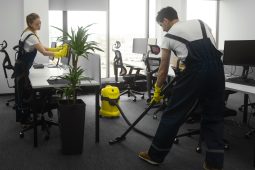
A structured cleaning schedule ensures that all areas are cleaned and disinfected regularly. High-traffic spaces such as lobbies, restrooms, and cafeterias should be cleaned multiple times a day, while offices and meeting rooms can follow a daily or weekly routine depending on usage. Establishing clear guidelines for frequency and method helps maintain consistent cleanliness standards.
2. Prioritising High-Touch Surfaces
Certain surfaces are more likely to harbour bacteria and viruses due to frequent contact. Doorknobs, elevator buttons, handrails, light switches, and shared office equipment should be sanitised regularly. Using disinfectant wipes or sprays with proven antibacterial and antiviral properties reduces the risk of spreading germs in these high-touch areas.
3. Using Effective Cleaning Products
Choosing the right cleaning products is crucial for effective sanitation. Disinfectants approved by health authorities help eliminate harmful pathogens. Additionally, eco-friendly and non-toxic cleaning solutions provide a safer alternative for environments such as schools, hospitals, and childcare facilities, where chemical exposure should be minimised.
4. Encouraging Hand Hygiene
Hand hygiene plays a significant role in maintaining public health. Providing hand sanitiser stations at entrances, near restrooms, and in common areas encourages individuals to clean their hands regularly. Placing visible reminders about proper handwashing techniques also reinforces good hygiene habits.
5. Improving Ventilation and Air Quality
Proper ventilation reduces indoor air pollutants and prevents the spread of airborne illnesses. Installing air purifiers with HEPA filters, maintaining HVAC systems, and allowing natural airflow by opening windows when possible can improve indoor air quality. Facilities should also consider regular air quality assessments to ensure a healthy environment.
6. Implementing Waste Management Strategies
Proper waste disposal is essential for cleanliness and hygiene. Ensuring that trash bins are emptied frequently, using sealed waste containers, and promoting recycling programs contribute to a cleaner and more organised space. Facilities should also establish protocols for disposing of hazardous materials, such as medical or chemical waste.
7. Training Staff on Hygiene Best Practices
Educating employees and cleaning personnel on proper sanitation techniques enhances the overall effectiveness of cleaning efforts. Training should cover correct use of cleaning products, proper waste disposal, and strategies to prevent cross-contamination. Well-informed staff contribute to a safer and healthier environment for everyone.
8. Using Technology for Enhanced Cleaning
Advancements in cleaning technology have introduced more efficient sanitation methods. Electrostatic sprayers, robotic vacuum cleaners, and UV-C light disinfecting systems improve cleaning precision and reduce the time required for large-scale sanitisation. Businesses that invest in these innovations can maintain high hygiene standards with greater efficiency.
9. Promoting Personal Responsibility
Maintaining a clean environment is a shared responsibility. Encouraging individuals to clean up after themselves, report sanitation concerns, and follow hygiene protocols fosters a culture of cleanliness. Providing clear guidelines and accessible cleaning supplies empowers people to contribute to a healthier space.
10. Conducting Regular Audits and Evaluations
Routine inspections and cleanliness audits help identify areas that require improvement. Gathering feedback from employees, customers, and cleaning staff allows organisations to refine their hygiene protocols and address any emerging concerns. Continuous evaluation ensures that cleaning strategies remain effective and up to date.
Conclusion
Maintaining clean and hygienic public spaces is essential for health, safety, and overall well-being. By implementing structured cleaning routines, prioritising hygiene best practices, and leveraging modern sanitation technologies, businesses and institutions can create environments that support productivity and public health.
For professionals looking to enhance their career prospects in facility management, sanitation services, or public health, investing in top resume writing services can help highlight relevant skills and qualifications, ensuring better job opportunities in hygiene-focused industries.
voters
Report Story 
Related Stories









Recent Stories