 Resume Redefined
1 year ago in Business Services
Resume Redefined
1 year ago in Business Services
High Authority Social Bookmarking Site for Australian SEO in 2026 - A2Bookmarks Australia
Welcome to A2Bookmarks Australia, your premier high-authority social bookmarking site designed for effortless content submission and visibility down under. Our platform offers a trusted, dedicated network for Australians to easily save, manage, and share their favorite web pages and URLs. As one of the most reliable Australian social bookmarking sites in 2026, we ensure your content stays relevant and indexed. Whether you're a business owner seeking to boost your local online visibility or an SEO professional needing quality link submission tools, A2Bookmarks is the solution. Instantly increase your brand authority and build meaningful Australian backlinks by submitting your content directly through our verified, active network. Connect with our community, utilize powerful bookmarking tools, and boost your digital presence with confidence. Optimize your content reach and SEO performance with targeted social bookmarking tailored for Australian audiences. Start submitting your links today!
Effective Cleaning Strategies for Flu Outbreaks in Public Facilities paradigmresume.com
Resume Redefined
1 year ago in Business Services
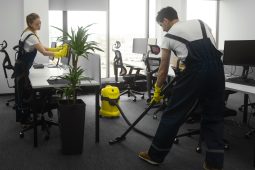
Flu outbreaks can pose significant challenges for public facilities, requiring rigorous cleaning protocols to minimise the risk of viral transmission. From schools and hospitals to shopping centres and office spaces, maintaining hygiene is essential to ensuring the health and safety of visitors and staff. Effective cleaning strategies not only help contain the spread of the flu but also promote overall public health.
1. Frequent Cleaning of High-Touch Areas
High-touch surfaces such as doorknobs, handrails, elevator buttons, and shared office equipment can harbour flu viruses for extended periods. Cleaning these surfaces regularly with hospital-grade disinfectants reduces the risk of spreading germs. Facilities should implement cleaning schedules that prioritise these areas, particularly during peak flu season.
2. Using EPA-Approved Disinfectants
The choice of cleaning products plays a crucial role in flu prevention. EPA-approved disinfectants specifically designed to combat viruses should be used to clean surfaces. These disinfectants are effective in breaking down and neutralising flu-causing pathogens, making environments safer for everyone.
3. Training Cleaning Staff
A well-trained cleaning team ensures that hygiene protocols are followed correctly. Staff should be educated on best practices, such as using the correct amount of disinfectant, following proper dwell times, and wearing personal protective equipment (PPE). Regular training sessions help maintain high standards and ensure that flu-prevention measures are consistently applied.
4. Implementing Colour-Coded Cleaning Systems
To prevent cross-contamination, many facilities adopt a colour-coded cleaning system. This method assigns specific cleaning tools to designated areas. For example, red cloths may be used for restrooms, while blue ones are reserved for office spaces. This system ensures that bacteria and viruses are not transferred between different areas of a facility.
5. Prioritising Air Quality and Ventilation
Good air circulation helps minimise the airborne transmission of flu viruses. Facilities should ensure that HVAC systems are regularly serviced and equipped with high-efficiency particulate air (HEPA) filters. Opening windows and using air purifiers in high-traffic areas can further improve air quality and reduce the spread of germs.
6. Enhancing Restroom Sanitation
Public restrooms require extra attention during flu outbreaks. Increasing the frequency of cleaning, replenishing soap and hand sanitiser stations, and disinfecting all surfaces—including sinks, toilets, and door handles—help maintain a hygienic environment. Encouraging proper handwashing habits among visitors also contributes to flu prevention.
7. Clear Communication and Public Awareness
Facilities should communicate their cleaning efforts to employees and visitors. Posting signs about increased cleaning measures, encouraging hand hygiene, and providing access to hand sanitiser stations all play a role in reducing flu transmission. Transparency about health and safety initiatives builds trust and reassures the public.
8. Coordination with Health Authorities
Public facilities should collaborate with local health departments to stay informed about the latest flu prevention guidelines. Adapting cleaning protocols based on expert recommendations ensures compliance with health regulations and enhances public safety.
9. Adopting Advanced Cleaning Technologies
Modern cleaning technologies, such as electrostatic sprayers and UV-C light disinfection, provide an extra layer of protection against viruses. Electrostatic sprayers distribute disinfectant more evenly across surfaces, while UV-C light systems kill airborne and surface-level pathogens. Investing in these technologies enhances cleaning efficiency and effectiveness.
10. Routine Monitoring and Evaluation
Regular audits and inspections ensure that cleaning protocols are being properly followed. Facilities should assess the effectiveness of their cleaning measures, gather feedback from staff, and make adjustments as needed. This continuous improvement approach helps maintain high hygiene standards throughout flu season.
Conclusion
Effective cleaning strategies are vital in preventing the spread of flu in public facilities. By prioritising high-touch surfaces, using approved disinfectants, training staff, and leveraging modern cleaning technologies, facilities can create a safer and healthier environment. Implementing these best practices not only reduces the risk of flu transmission but also demonstrates a commitment to public well-being.
For those looking to enhance their professional credentials in fields like facility management or cleaning services, seeking professional resume writing services can help highlight relevant expertise and skills, ensuring career advancement in hygiene and public safety sectors.
voters
Report Story 
Related Stories









Recent Stories