 Mariya Jhon
10 months ago in Health & Wellness
Mariya Jhon
10 months ago in Health & Wellness
High Authority Social Bookmarking Site for Australian SEO in 2026 - A2Bookmarks Australia
Welcome to A2Bookmarks Australia, your premier high-authority social bookmarking site designed for effortless content submission and visibility down under. Our platform offers a trusted, dedicated network for Australians to easily save, manage, and share their favorite web pages and URLs. As one of the most reliable Australian social bookmarking sites in 2026, we ensure your content stays relevant and indexed. Whether you're a business owner seeking to boost your local online visibility or an SEO professional needing quality link submission tools, A2Bookmarks is the solution. Instantly increase your brand authority and build meaningful Australian backlinks by submitting your content directly through our verified, active network. Connect with our community, utilize powerful bookmarking tools, and boost your digital presence with confidence. Optimize your content reach and SEO performance with targeted social bookmarking tailored for Australian audiences. Start submitting your links today!
Is there any danger in frequent cupping therapy? medium.com
Mariya Jhon
10 months ago in Health & Wellness
Ever seen someone walk out of a wellness clinic with circular marks dotting their back and wondered, “Is that actually safe?” Cupping therapy has become a favourite among athletes, desk workers, and anyone chasing pain relief or recovery. But as with any treatment, it’s fair to ask—can you have too much of a good thing?
The short answer: occasional cupping is safe for most people, but frequent sessions without proper aftercare can irritate the skin or overstimulate the body’s healing response. Let’s unpack what that really means, how often is too often, and the subtle signals your body might give when it’s time for a break.
What Exactly Happens During Cupping Therapy?
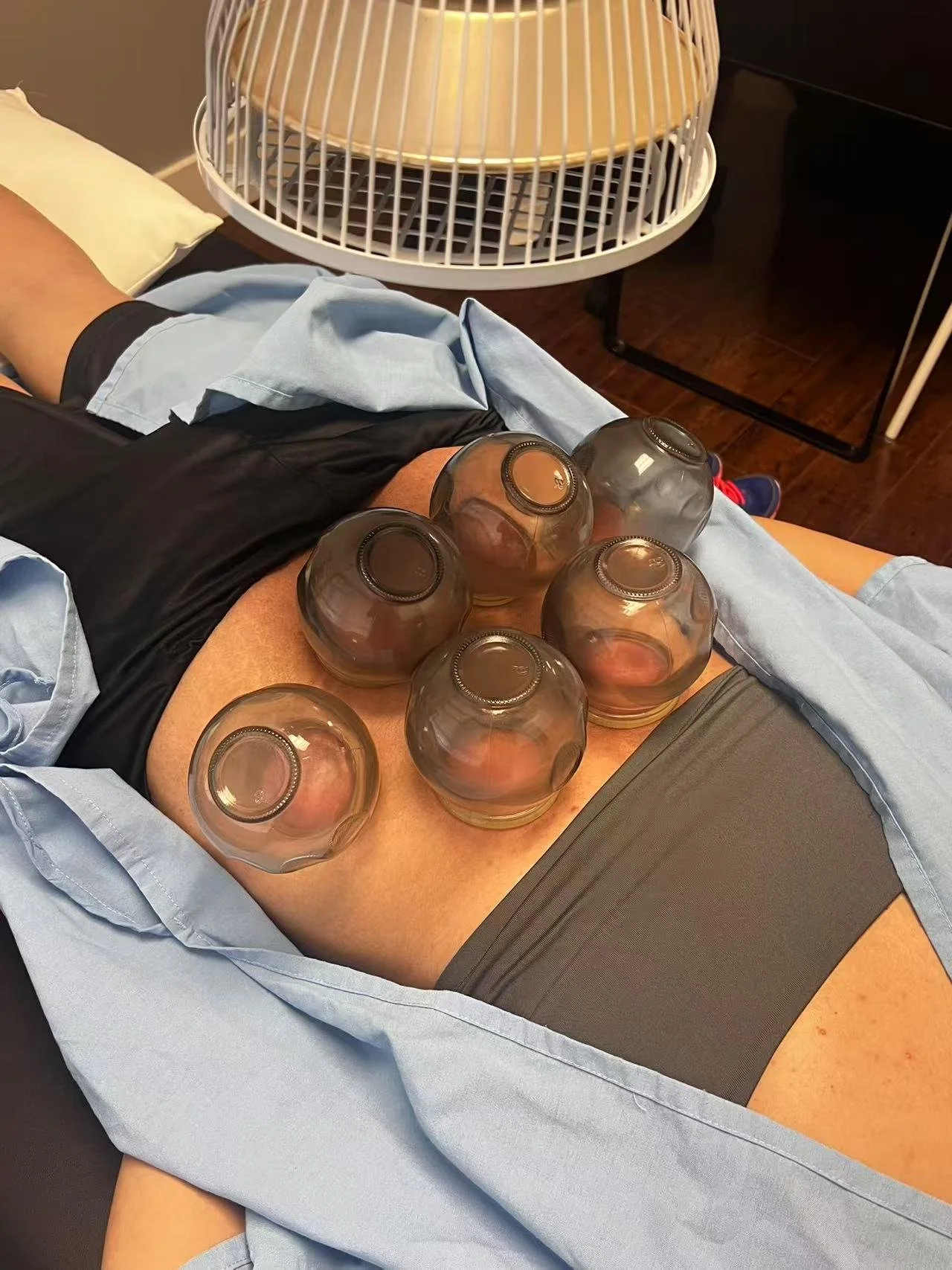
Cupping is an ancient technique used in traditional Chinese and Middle Eastern medicine. By creating suction with glass, silicone, or plastic cups on the skin, it draws blood to the surface—stimulating circulation and easing muscle tension.
The process works through negative pressure, which gently lifts the tissue rather than compressing it (as massage does). That suction is believed to trigger the body’s natural repair systems. Think of it like telling your immune system, “Hey, this area needs a bit of love.”
Most practitioners describe three main types:
-
Dry cupping: Suction only, no bloodletting.
-
Wet cupping: Slight incisions are made to draw out a small amount of blood.
-
Moving cupping: Cups glide across oiled skin for a massage-like effect.
For most people, dry and moving cupping are the go-tos—gentle yet effective for muscle relief and stress reduction.
How Often Is Too Often for Cupping Therapy?
Here’s the truth: the body needs time to recover between sessions.
For general wellness, experts suggest:
-
Every 1–2 weeks for beginners or maintenance.
-
Every 2–4 weeks for ongoing muscle tension or chronic pain.
-
Only as needed once symptoms ease.
Doing cupping too frequently—say, multiple times per week—can overstimulate your body’s healing mechanisms. You might notice:
-
Persistent redness or marks lasting longer than 10 days.
-
Localised soreness that doesn’t fade within 48 hours.
-
Fatigue or mild headaches after each session.
It’s your body’s way of saying, “I need a pause.”
Even professional athletes (who use cupping religiously) build rest cycles into their therapy routines. Recovery is just as vital as treatment.
What Are the Possible Risks or Side Effects?
Cupping is generally safe when performed by a qualified practitioner. Still, there are minor and temporary effects worth noting.
Common, Harmless Effects:
-
Circular marks or mild bruising
-
Temporary tenderness
-
Light fatigue or warmth in treated areas
These are usually short-lived, fading within a few days. They’re signs of increased blood flow and tissue repair—not actual bruises.
Less Common Reactions (from overuse or poor hygiene):
-
Skin irritation or infection (especially if cups aren’t sterilised)
-
Prolonged soreness
-
Dizziness or nausea post-treatment (due to increased circulation)
-
In rare cases, minor blistering
A 2020 review in BMC Complementary Medicine and Therapies found that while cupping can provide short-term relief for conditions like neck and back pain, poor technique or overuse increases the chance of skin issues. So while the therapy is low-risk, quality and frequency matter more than quantity.
Does Frequent Cupping Weaken the Skin?
Not exactly—but it can make it more sensitive.
If the same area is repeatedly cupped without full recovery, capillaries may become fragile. Over time, this can lead to:
-
Discolouration that takes longer to fade.
-
Dry or flaky patches on the skin.
-
Mild tenderness even when not cupped.
That’s why experienced practitioners rotate placement sites and monitor the skin before each session. A good therapist will always ask, “How did your body respond last time?” before proceeding.
Can Cupping Affect the Immune or Nervous System?
Interestingly, cupping influences more than just your muscles. The suction activates both the lymphatic system (which clears toxins) and the parasympathetic nervous system (which promotes relaxation).
However, doing it too frequently may overstimulate these systems—especially in people with autoimmune conditions, fatigue syndromes, or low blood pressure.
That doesn’t mean you should avoid cupping altogether. It just means less can be more. Think of cupping as a supplement to your wellbeing routine, not the main event.
Who Should Limit or Avoid Frequent Sessions?
Certain groups should be more cautious:
-
People on blood thinners or with clotting disorders
-
Those with diabetes or skin infections
-
Pregnant women (avoid abdominal and lower back cupping)
-
Anyone with open wounds or recent surgery
If that’s you, a healthcare provider’s go-ahead is essential before scheduling multiple sessions.
What Does Science Say About Long-Term Safety?
While modern research is still catching up with ancient wisdom, several studies highlight cupping’s potential benefits:
-
A 2019 meta-analysis in Journal of Traditional and Complementary Medicine noted measurable improvements in pain and mobility across musculoskeletal conditions.
-
Another 2021 study found cupping helped reduce chronic neck pain and improve quality of life scores—especially when combined with stretching.
Still, most researchers call for more standardised trials to determine optimal frequency. In short, occasional therapy is beneficial, but long-term overuse hasn’t been well studied.
For further reading, this overview by Healthline provides an evidence-based look at cupping’s mechanisms and safety profile.
What Does “Too Frequent” Look Like in Real Life?
Let’s say you’ve booked back-to-back weekly sessions for a tight shoulder. After the third or fourth session, the marks start lasting longer, and you feel more tired than relaxed.
That’s your cue to space things out. Instead of weekly, try every three weeks—or alternate between cupping and other gentle therapies like massage or physiotherapy.
Cupping should feel restorative, not draining.
How to Make Frequent Cupping Safer
You don’t have to give up your sessions altogether. Here’s how to keep them safe and effective:
1. Listen to your body.
If you feel unusually sore or tired, skip your next session.
2. Use an experienced practitioner.
Ask about their hygiene protocols and experience—especially if you’re new to cupping.
3. Hydrate before and after.
Cupping stimulates lymph flow; water helps flush out metabolic by-products.
4. Avoid heat or exercise right after.
Give your skin time to settle before hitting the sauna or gym.
5. Rotate treatment areas.
Don’t cup the same spot repeatedly; alternate muscle groups.
These steps sound simple, but they significantly reduce any risk from regular treatments.
How Long Should You Wait Between Sessions?
Here’s a practical guide:
| Goal | Recommended Frequency |
|---|---|
| Stress relief / relaxation | Every 3–4 weeks |
| Chronic pain management | Every 1–2 weeks initially, then monthly |
| Athletic recovery | Every 7–10 days during training cycles |
| Immune support | Every 4–6 weeks |
The takeaway? Consistency beats frequency. You’ll get better results giving your body time to recover fully.
What Does Aftercare Look Like?
After a cupping session, the skin is slightly more permeable—so treat it kindly:
-
Keep the area clean and dry for 24 hours.
-
Avoid alcohol, saunas, or cold exposure immediately after.
-
Apply a gentle moisturiser or aloe vera gel to soothe the skin.
-
Prioritise rest; your body’s healing process continues beyond the clinic.
For a deeper dive into proper aftercare and potential side effects, this detailed breakdown on Cupping Therapy Vancouver explains what to expect post-treatment and how to optimise recovery.
The Psychology of Why We Overdo It
Humans have a bias toward more equals better. It’s called action bias—the instinct to keep doing something because it feels productive, even when rest might serve us better.
Cupping enthusiasts often fall into this trap: they feel relief, so they chase more sessions. But like any wellness habit, the magic lies in balance.
Behavioural science tells us that the anticipation of recovery can be as psychologically powerful as the treatment itself. Taking mindful breaks can make the benefits last longer.
FAQs
Does cupping detoxify the body?
Not in a medical sense. It stimulates circulation and lymph flow, which may support natural detox processes, but it doesn’t “suck out toxins.”
Are the cup marks bruises?
No—they’re signs of increased blood flow. Bruises come from trauma; cupping marks come from controlled suction.
Can I do cupping at home?
Home kits exist, but professional guidance ensures safety and proper technique—especially for beginners.
The Bottom Line
Cupping therapy, when used wisely, can be a gentle yet powerful ally for pain relief, stress reduction, and muscle recovery. But like coffee or exercise, more isn’t always better. The body thrives on rhythm—pressure followed by rest.
If you’re noticing lingering marks, fatigue, or skin sensitivity, it might be time to give your body space to reset. With mindful spacing and quality care, cupping remains a safe, rejuvenating practice for years to come.
voters
Report Story 
Related Stories









Recent Stories